More adults in the UK and beyond are embarking on a journey of self-discovery, seeking formal diagnoses for autism spectrum disorder later in life. Driven by personal insight and greater public awareness, this trend highlights a growing understanding of neurodiversity beyond childhood.
Recognising the Signs in Adulthood
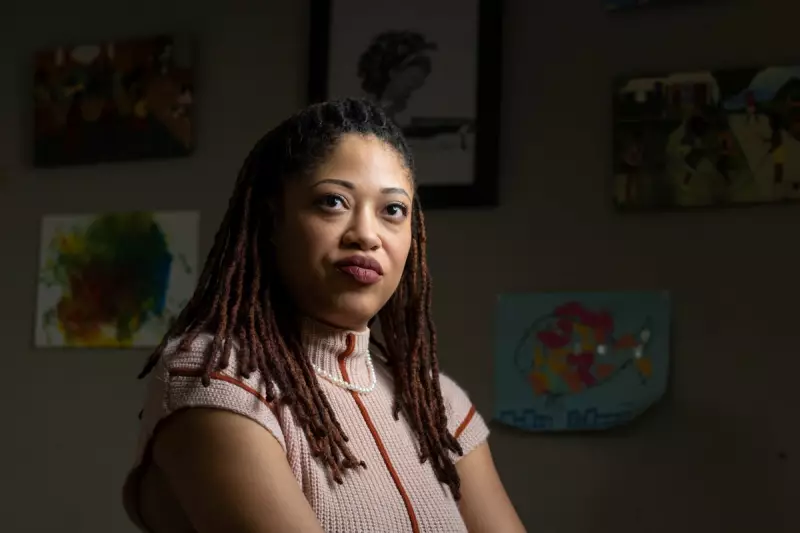
The story of entrepreneur Natasha Nelson, 35, from Stone Mountain, Georgia, is emblematic of this shift. She always felt different, struggling with social norms and finding small talk perplexing. Her path to diagnosis began in earnest after her youngest daughter was identified as autistic in 2023, leading to her own confirmation that same year.
Natasha Nelson now actively encourages others who have long-held suspicions to seek clarity. "If your life has always felt like it was in chaos and you don't feel comfortable and you don't feel like you thrive... what you got to lose?" she advises.

Common indicators of autism include persistent difficulties with social communication, a strong preference for routines, and intense, focused interests. As Nelson notes, her special interest has become understanding people themselves. These traits can often be missed in childhood, only becoming more apparent under the complex social demands of adult life.
The Rising Tide of Adult Diagnoses
A significant study published in JAMA Network Open in 2024 quantified this surge, revealing a staggering 452 per cent increase in autism diagnoses among adults aged 26 to 34 between 2011 and 2022.
Experts point to several reasons for this rise. Many adults pursue assessment after their own children are diagnosed, while others recognise themselves in content shared on social media. Furthermore, many have spent a lifetime 'masking' – consciously or unconsciously hiding autistic behaviours to fit in socially.
"Adults have learned to compensate over time," explained psychologist Whitney Ence of the University of California San Francisco. "They may have learned like 'I can't display that in public, and so I do that in private.'"
Diagnosis is complicated by overlapping symptoms with conditions like ADHD and OCD, which can also affect social cues and executive functions such as attention and problem-solving.
Navigating the Path to a Professional Diagnosis
While online screening tools exist, autism is a complex neurodevelopmental condition requiring professional evaluation. The process typically starts with a conversation with a GP, who can provide a referral to a psychiatrist or psychologist.
There is no biological test for autism; diagnosis relies on detailed assessment, which may include interviews about developmental history, often involving family members, and standardised diagnostic tests. Dr. Arthur Westover, a psychiatrist specialising in autism, emphasises that while many people enjoy routines, an autism diagnosis requires that traits cause significant impairment.
The journey can be lengthy and costly due to a severe shortage of specialists trained to assess adults. Natasha Nelson's diagnosis took three years and cost her over $3,000 out-of-pocket. Dr. Ence suggests those considering an assessment ask themselves key questions about their motivations, such as whether they need access to specific support services.
For individuals like motivational speaker Russell Lehmann, 34, a diagnosis has provided a framework for understanding a lifetime of experiences. His strict routines, while sometimes burdensome, are essential for his functioning, illustrating the diverse and personal impact of an autism diagnosis in adulthood.