
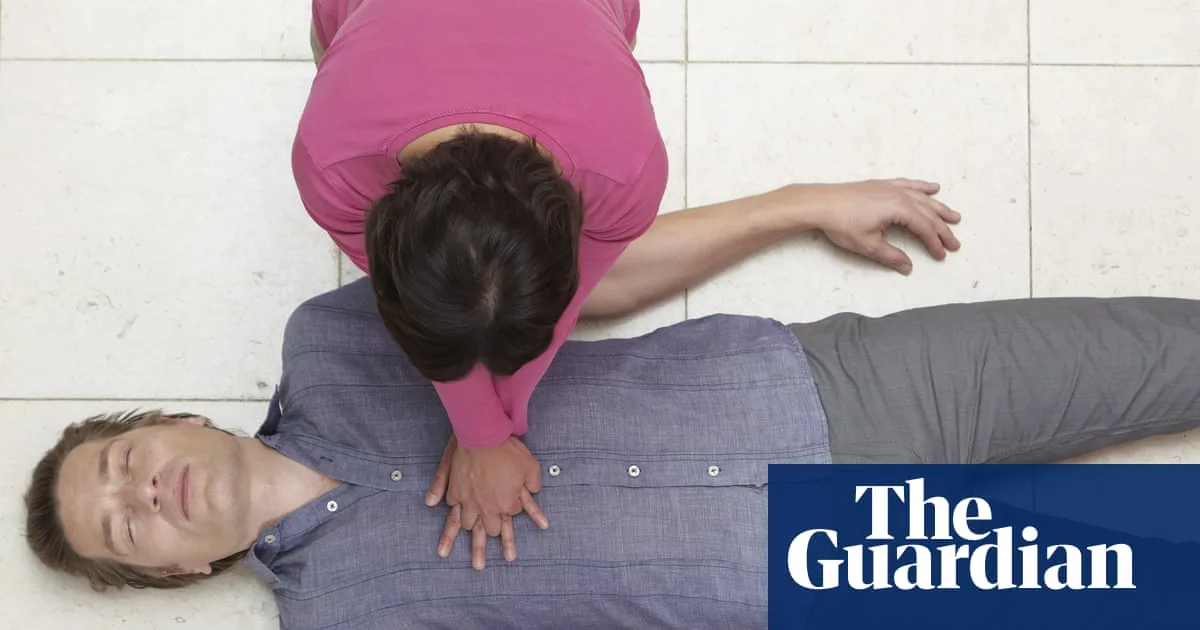
Researchers have warned that unrealistic depictions of cardiopulmonary resuscitation (CPR) on television may discourage viewers from performing the life-saving technique in real emergencies. The study, published in the journal Circulation: Population Health and Outcomes, analysed 54 episodes of US TV shows featuring out-of-hospital CPR performed by laypeople, finding that only 16 showed compression-only CPR as recommended by experts.
The British Heart Foundation (BHF) notes there are over 30,000 out-of-hospital cardiac arrests annually in the UK, yet bystander CPR rates globally remain low at 35-45%. The American Heart Association and NHS advocate hands-only CPR for untrained bystanders, but TV dramas often depict checking for a pulse and giving rescue breaths—steps that can cause hesitation.
Lead author Ore Fawole from the University of Pittsburgh said: 'People are watching thousands of hours of television every year... a lot of people are gaining most of their health content from TV.' The study found that 26 episodes showed breaths alongside compressions, and 23 showed pulse checks. Only 20% of cardiac arrests on TV occurred at home, versus 80% in reality, and over half of victims were under 40, while the real average age is 62.
Dr Beth Hoffman, a co-author, noted that community training sessions often reveal confusion about when to check for a pulse or give breaths, suggesting TV influences these perceptions. However, positive examples exist: in 2023, 12-year-old Austen Macmillan performed chest compressions after seeing them on Stranger Things, saving a 30-year-old man.
Lizzie Moscardini of the BHF said: 'This research highlights the flip side: without following the most up-to-date advice, TV can create confusion.' She urged people to learn CPR via the BHF's free online tool RevivR, which takes just 15 minutes. In the UK, 999 call handlers can guide callers through chest compressions.




