A Bristol man has hailed a mobile app and the swift actions of his friends as the reasons he is alive today after suffering a sudden cardiac arrest at the roadside.
A Routine Ride Turns Into a Fight for Life
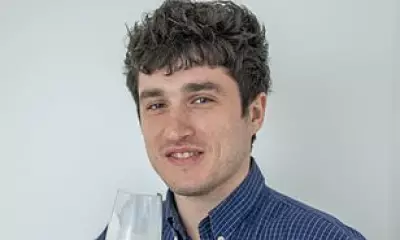
In November last year, 63-year-old Mark Moran, a seasoned endurance athlete, was on a cycling trip with friends Steve Makin and Dave Lane. The group was heading from Cirencester to a pub in Frampton Cotterell, South Gloucestershire, anticipating a chip lunch. Without warning, Mark's world went dark. "The lights started to go out," he recalls.
Mark described feeling dizzy before losing all strength. "The last thing to go through my head was - 'this is it'. There was almost a sound of thunder in the background and it just felt like the end," he said. He collapsed by the roadside with no heartbeat and stopped breathing.

The Chain of Survival: Friends, CPR and Technology
Friend Steve Makin was at Mark's side within moments. Recognising the severity, Steve immediately began performing CPR. He remembered the "Stayin' Alive" campaign and pressed rhythmically to the Bee Gees' beat, an action so forceful it fractured three of Mark's ribs but kept blood circulating.
While Dave Lane called 999, another crucial tool came into play. Steve had the What3words application on his phone. This allowed him to guide first responder Pete Bishop from the South Western Ambulance Service to their exact, remote location near Tetbury. Pete arrived in just nine minutes.
"That's what brought Pete Bishop to me within nine minutes. If he'd been 10 minutes, I might not be here," Mark stated, emphasising the app's life-saving role.
Miraculous Recovery and a Mission to Educate
Pete Bishop administered two shocks with a defibrillator to Mark, whose lips had turned blue. Mark was then airlifted to the Bristol Heart Institute. He regained consciousness in the ambulance long enough to utter "All right, boys" to his worried friends before slipping away again.
Mark spent over three weeks in hospital and had an internal defibrillator fitted, despite having no prior heart conditions. Remarkably, Pete later revealed Mark was the first patient he had attended in 20 similar cases to survive.
Six months after his cardiac arrest, Mark completed the Bristol Half Marathon to raise funds for the air ambulance crew. He and his friends later revisited the spot where he collapsed and finally made it to the pub for their long-awaited chips.
Mark now champions CPR training, noting that less than 10% of people survive an out-of-hospital cardiac arrest. With three-quarters of incidents happening at home, a relative or bystander is often the first on scene. Prompt CPR and defibrillation can more than double survival chances, yet fewer than three in ten people feel equipped to help in a crisis.
Organisations like NHS Charities Together are working to change this, using a £1.85 million funding boost to support ambulance charities across the UK in providing vital training and life-saving equipment.
"My heart was basically stopped for 15 minutes. It's pretty terminal. So I feel like the luckiest guy on the planet," said Mark, who runs Hydrate For Health. "Had it not been for my mates and Pete Bishop, I wouldn't be here today."