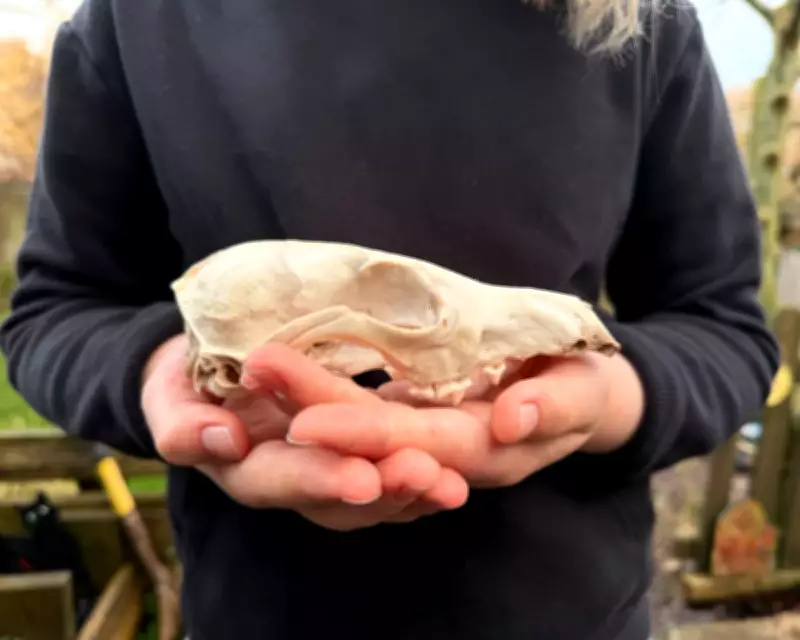
A young naturalist has documented a thrilling find in their countryside explorations, adding a fox skull to their growing collection of natural artifacts. This discovery, detailed in a personal diary entry, showcases the hands-on learning and wonder that outdoor adventures can inspire for budding wildlife enthusiasts.
The Exciting Discovery
While wandering through rural landscapes, the naturalist stumbled upon the remains of a fox, carefully retrieving the skull as a prized addition to their collection. Such finds are not uncommon in the British countryside, where foxes are a familiar sight, but each discovery offers a unique opportunity to study anatomy and ecology up close.
Educational Value of Natural Artifacts
Collecting items like fox skulls can serve as an invaluable educational tool, helping young people connect with nature and understand wildlife biology. By examining bones and other remains, enthusiasts gain insights into animal behavior, diet, and habitat, fostering a deeper appreciation for conservation efforts.

This hands-on approach complements classroom learning, encouraging curiosity and scientific inquiry. Many naturalists use such collections to track changes in local ecosystems or to share knowledge with peers, building a community of like-minded individuals passionate about the environment.
Broader Implications for Wildlife Enthusiasm
The diary entry reflects a growing trend among youth to engage with nature through practical activities, rather than just theoretical study. In an era dominated by digital distractions, discoveries like the fox skull remind us of the tangible rewards of outdoor exploration.
Such experiences can inspire future careers in biology, ecology, or conservation, as young people develop skills in observation and documentation. Moreover, they highlight the importance of preserving natural habitats, where such artifacts can be found and studied safely.
Tips for Aspiring Naturalists
- Always explore with respect for wildlife and private property.
- Use guides or apps to identify finds accurately.
- Document discoveries in a journal with notes on location and date.
- Share findings with local nature groups to contribute to community knowledge.
In summary, the fox skull discovery is more than just a collectible; it's a gateway to learning and environmental stewardship. As more young people take to the countryside with keen eyes, such finds will continue to enrich our understanding of the natural world.