
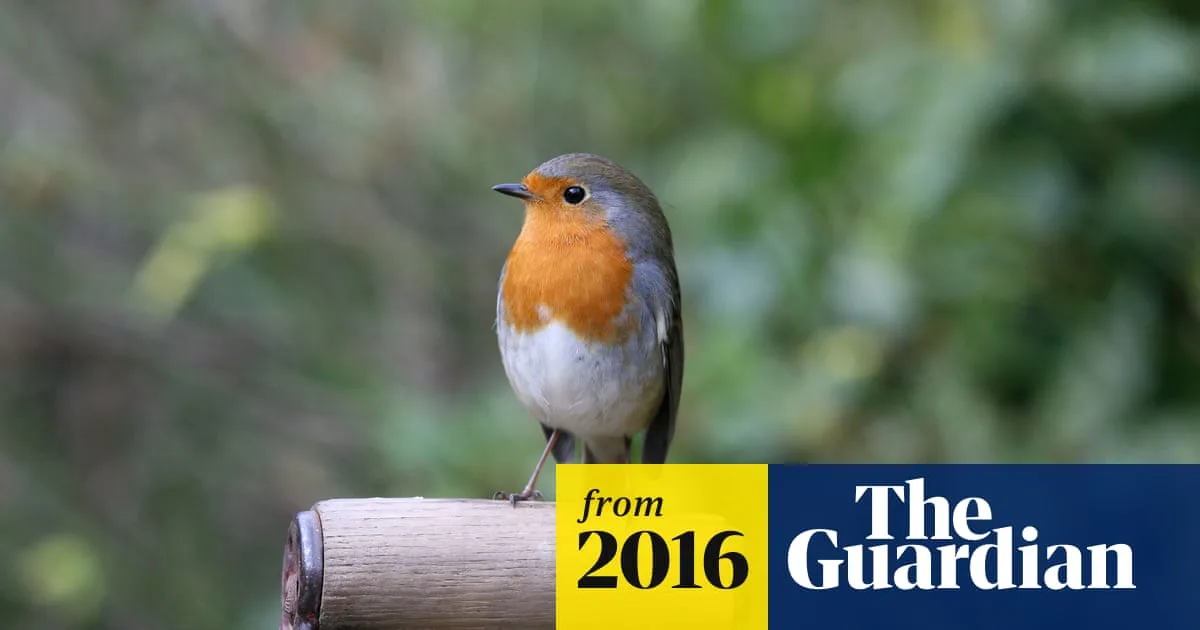
The sight of a robin has become a heartening sign for gardeners across the UK, as these birds increasingly return to gardens that offer suitable habitats. According to wildlife gardener Kate Bradbury, robins are drawn to gardens with exposed soil, compost heaps, and feeders, and they have recently learned to use hanging feeders.
Bradbury observed a robin in her newly created wildlife garden in January, attracted by the turned earth and worms. The bird stayed for several days, feeding on grubs and watching her work. After planting an apple tree and climbing roses, Bradbury installed a nest box, though the robin disappeared in spring.
Months later, in autumn, the robin returned as Bradbury mulched a new border with homemade compost. The bird fed at her feet, seemingly unafraid, and explored the garden's features, including a pond and lawn. Bradbury believes the robin may be a winter migrant, as some UK robins migrate across the Channel, while others are joined by Scandinavian birds.
Robins are typically sedentary, but winter migrants can travel from Scandinavia. British robins are generally less wary of humans than their Scandinavian counterparts. Bradbury notes that the returning bird could be a different individual, but its presence indicates a healthy garden habitat with food sources like worms, berries, and sunflower hearts.
As gardens become more wildlife-friendly, robins are finding new territories. Bradbury's garden now includes a pond, bird bath, and feeders, providing essential resources for these birds. The return of the robin highlights the importance of creating diverse habitats to support UK wildlife.




