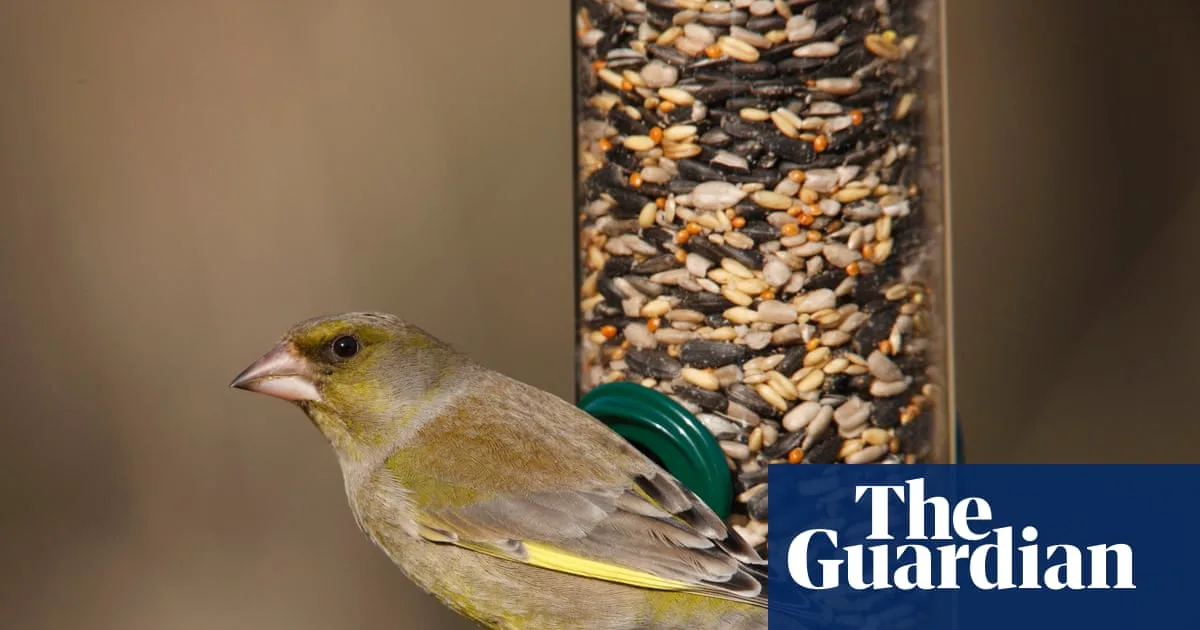
The RSPB has urged gardeners to remove seed and nut feeders between May and October to reduce the spread of avian diseases, particularly trichomonosis, which has devastated greenfinch populations. The charity recommends replacing these feeders with small amounts of mealworms, fat balls or suet, as these are less likely to attract large clusters of finches and provide protein for chicks.
Trichomonosis, a parasitic disease transmitted through saliva at feeders, thrives in warmer months. The RSPB's new guidance, 'feed safely and feed seasonally,' advises retiring all bird tables and flat-surfaced feeders due to higher disease risk. Feeders should be cleaned and moved weekly, and water changed daily.
The greenfinch, now on the red list of endangered British birds, has seen a 67% decline since 1979, with an estimated 6 million greenfinches and chaffinches dying from the disease. The Big Garden Birdwatch 2024 recorded the greenfinch in 18th place overall.
RSPB chief executive Beccy Speight said: 'Feeding birds is something millions of us love, but the science shows birds such as greenfinches have been affected by disease at feeders. We’re not asking people to stop feeding, just to feed in a way that protects birds’ long-term health.'
The charity also recommends planting sunflowers, teasels and ivy to provide natural food sources and encourage insects, which are crucial for feeding chicks. Winter feeding with seeds and nuts can continue, but flat surfaces should be avoided.
In the 2024 Big Garden Birdwatch, the house sparrow remained the most common garden bird, followed by blue tit, starling, wood pigeon and blackbird. The starling continued its recovery, moving up to third place.