Brits Encouraged to Make Two Simple Garden Changes This April to Support Hedgehogs
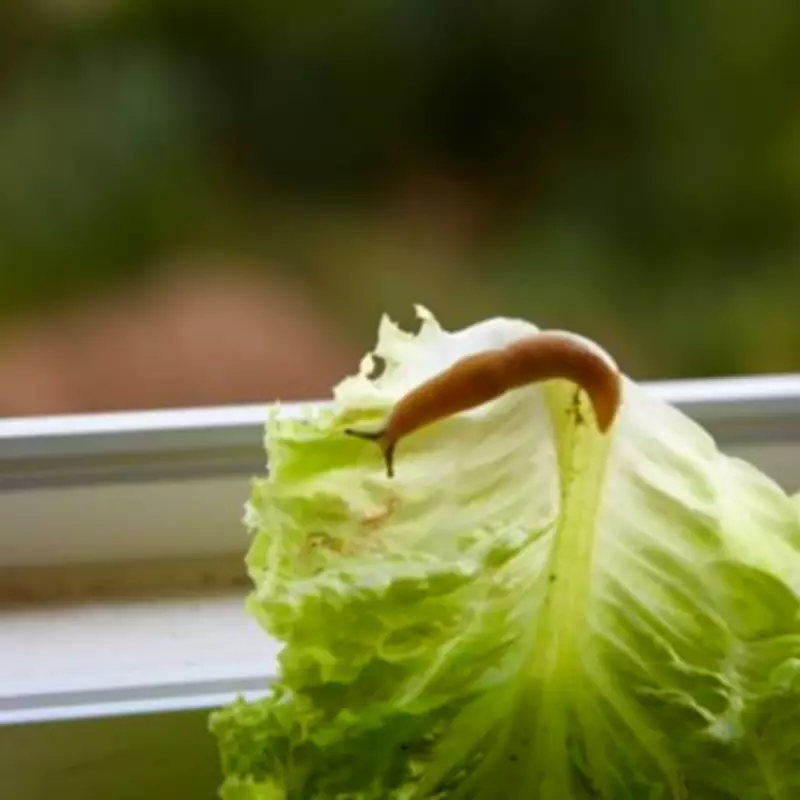
As a wet winter sets the stage for a potential surge in slugs this spring, wildlife experts are urging British gardeners to take two straightforward steps this month. These actions aim to attract hedgehogs, the natural predators of slugs, whose populations are facing a concerning decline across the United Kingdom.
The Decline of Hedgehog Populations and Their Ecological Role
Recent estimates suggest that approximately 879,000 hedgehogs remain in England, Scotland, and Wales, though accurate counts of these elusive creatures are notoriously difficult. Despite their shy nature, hedgehogs are increasingly appearing in urban environments, offering even city dwellers the chance to welcome them into their gardens.
Hedgehogs provide invaluable natural pest control by feeding on slugs and beetles, making their conservation efforts particularly worthwhile for gardeners. With hedgehogs emerging from hibernation in early April, now is an ideal time to implement changes that encourage their presence.

The Two Essential Additions for Your Garden
Emma Brown, from the hedgehog rescue charity Prickles and Paws, emphasizes two critical elements to support these animals. The first and most important is a simple dish of water. "The single most important thing, for any wildlife, is a dish of water. But a lot of people just don't think of that," she told the Express.
The second addition is somewhat more controversial: dry cat food. Emma recommends the small, dry 'biscuit' variety over wet food, which can quickly go mouldy outdoors. "Dry cat food is easier, it's not going to go off, and it's not going to attract as many flies. It's also easier to tell if it's hedgehogs eating it, because they tend to leave crumbs behind," she explained, noting that hedgehogs are messy eaters.
Managing Unwanted Visitors and Creating Access
Leaving food outdoors can attract less desirable wildlife, such as rats and neighbouring cats. Emma acknowledges that rats are ubiquitous and difficult to deter, but she offers solutions for keeping cats at bay. A simple hedgehog feeding station can be made from an old plastic storage box with a hole cut out for hedgehogs to enter. Placing a brick on top or adding a small tunnel entrance may help, though cats can be surprisingly persistent.
More innovative solutions include positioning a tray of water in front of the entrance, as hedgehogs don't mind wet feet but cats dislike wet paws, or installing a plastic strip curtain similar to those used in butchers' shops.
Ensuring hedgehogs can access your garden is equally vital. If you have a fence that reaches the ground, create a gap roughly 5 inches (13cm) square—about the size of a CD case—to allow hedgehogs to enter. Their strong sense of smell means they can detect food from a distance and will likely visit once they catch the scent.
Additional Tips for a Hedgehog-Friendly Garden
Hedgehogs are timid, so you might already have one visiting without knowing it. Take care when turning over compost heaps or burning garden waste to avoid disturbing them. To make your garden more inviting, consider installing a purpose-built hedgehog house. Place dry leaves or bedding near the entrance; if it's pulled inside within a few days, it's a sign a hedgehog has moved in. Resting a stick across the entrance can also indicate activity if it's disturbed.
By adding water and dry cat food to your garden this April, you can play a part in supporting these declining creatures while naturally controlling slug populations. Every small effort contributes to the conservation of hedgehogs and the health of your garden ecosystem.