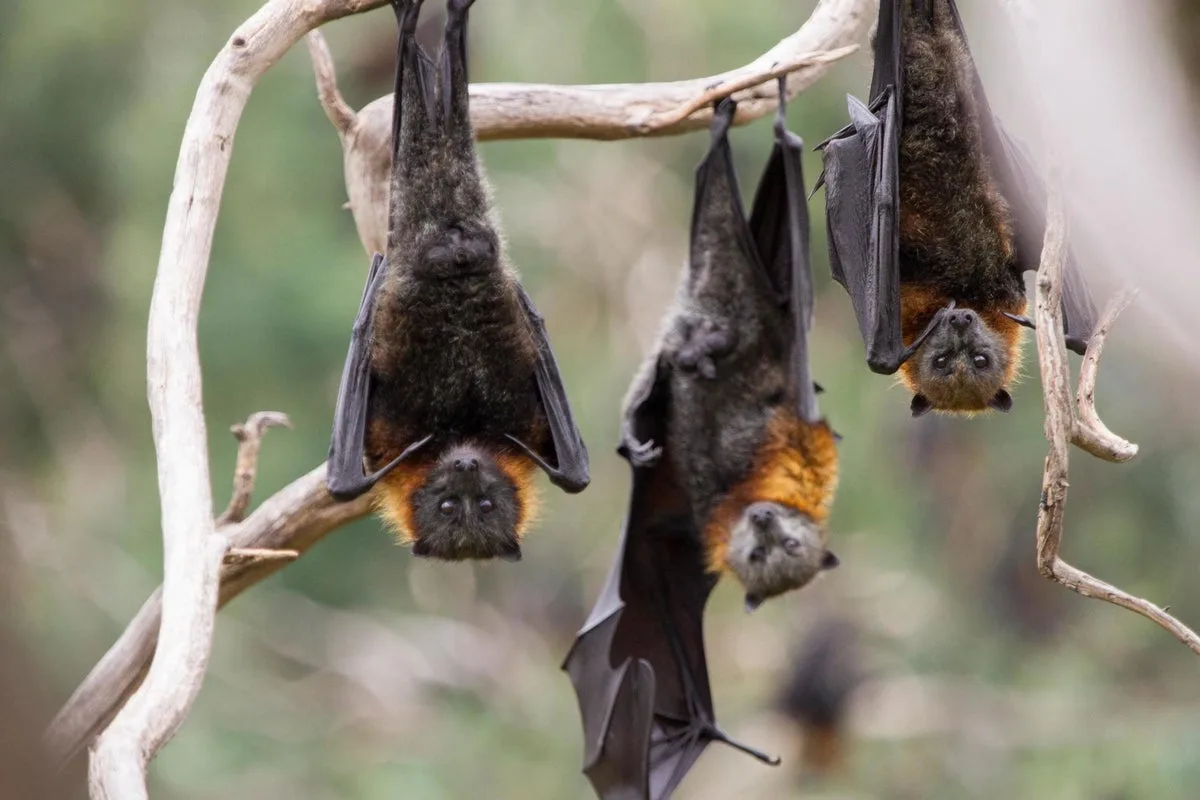
Heatwave Decimates Thousands of Flying Foxes in South-East Australia
Thousands of bats die in Australian heatwave

A devastating heatwave that scorched south-east Australia last week has resulted in the deaths of thousands of flying foxes, marking the worst mass mortality event for the species since the catastrophic Black Summer of 2019-20.

A Grim Toll Across Multiple States

Volunteers and wildlife experts are still counting the dead after extreme temperatures, which soared above 42°C in major cities, battered the region. The grey-headed flying fox, a species listed as vulnerable under federal environment laws, was the most severely affected.

Tamsyn Hogarth, director of the Fly by Night Bat Clinic in Melbourne, reported that volunteers discovered thousands of dead bats at Brimbank Park alone, with hundreds more found at camps in Yarra Bend and Tatura. Rescuers managed to save dozens of orphaned pups found clinging to their deceased mothers.

"These orphans will slowly die of heat stress, starvation or predation if they aren't found," Hogarth warned. She described finding countless adults who succumbed in hotter parts of the colonies, such as trees with less shade and on the baking clay of riverbanks.

Experts Sound the Alarm on Climate Impact

Professor Justin Welbergen, a flying fox expert at Western Sydney University, stated that temperatures exceeding 42°C are known to cause mortality "sometimes at biblical scales." He confirmed this event is the most significant mass mortality event since 2019-20, when over 72,000 flying foxes died in eight separate heat events.

The heat has a "double-whammy" effect, Welbergen explained. It places the animals under direct physiological stress while also impeding their ability to forage for food, as flying becomes harder and nectar from eucalyptus flowers becomes scarce.

Dr Wayne Boardman, a wildlife veterinarian at the University of Adelaide, noted the bats initially show clear signs of distress like fanning their wings and panting, but above 42°C, survival becomes "physiologically very difficult."

Strained Rescue Services and a Wider Warning

The crisis has placed immense strain on volunteer networks and an under-resourced wildlife care sector. Lisa Palma, CEO of Wildlife Victoria, said the organisation boosted its emergency capacity, deploying a travelling vet to a nationally critical colony.

"Heat events like this can be catastrophic for native wildlife. Unlike us, our native animals can't escape the heat," Palma said. Professor Welbergen emphasised that flying foxes act as "canaries in the coal mine", their highly visible deaths in urban roosts signalling the hidden toll extreme heat takes on other wildlife as global heating intensifies.

While the full count continues, initial estimates suggest at least 1,000-2,000 died in South Australia, thousands in Victoria, and up to 1,000 in New South Wales. The public is urged never to handle bats but to contact local wildlife organisations immediately.




