Afghanistan Accuses Pakistan of Deadly Hospital Strike in Kabul
Afghanistan has reported that at least 400 people have been killed in an air strike that targeted a hospital for drug users in the capital city of Kabul. The incident marks a dramatic escalation in the ongoing conflict between the two neighbouring nations, which has seen repeated cross-border clashes and air strikes over recent weeks.
Details of the Attack and Casualties
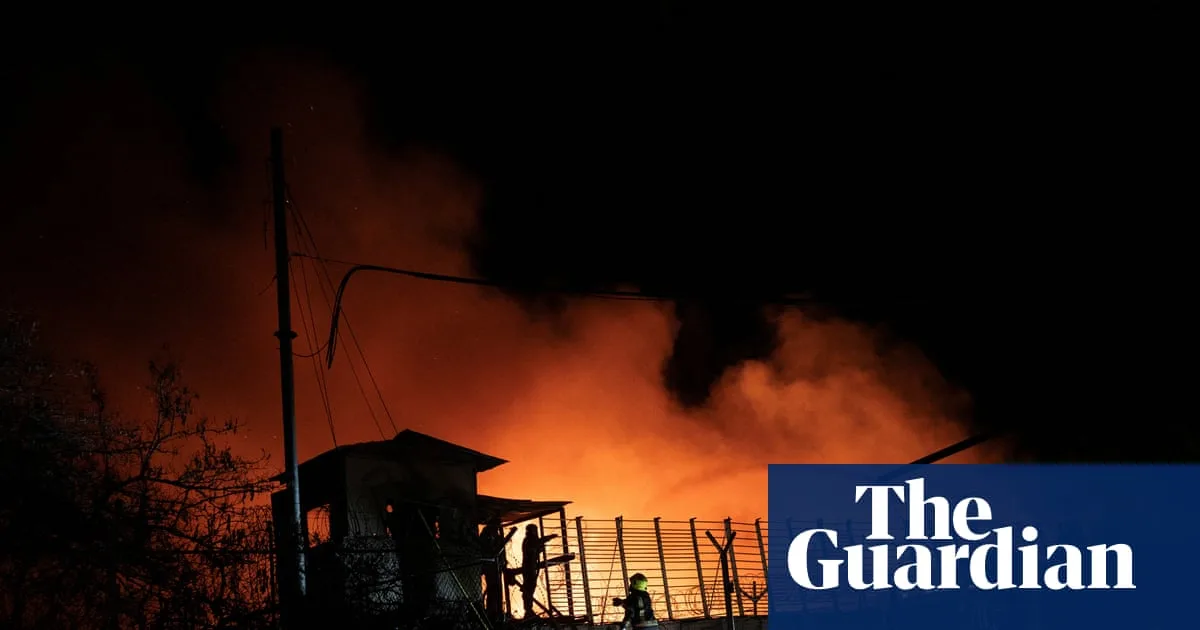
According to Afghanistan's deputy government spokesman, Hamdullah Fitrat, the air strike hit the hospital at approximately 9pm local time, causing extensive damage to the 2,000-bed facility. In a post on social media platform X, Fitrat stated that the death toll had "so far" reached 400 individuals, with an additional 250 people reported injured. Rescue teams are currently working to control fires and recover bodies from the ruins.
Footage shared by local television stations on X showed security forces using torches to carry out casualties, while firefighters struggled to extinguish flames engulfing the building. Afghan government spokesman Zabiullah Mujahid condemned the strike, accusing Pakistan of "targeting hospitals and civilian sites to perpetrate horrors." He emphasised that those killed and injured were patients at the hospital, labelling the act as a crime against humanity.
Pakistan's Response and Denials
Pakistan has firmly denied targeting any civilian sites, including hospitals. Mosharraf Zaidi, spokesman for Pakistani Prime Minister Shehbaz Sharif, dismissed Afghanistan's allegations as baseless. In a statement on X, Pakistan's Ministry of Information asserted that the strikes "precisely targeted military installations and terrorist support infrastructure," such as technical equipment and ammunition storage used by Afghan Taliban and Afghanistan-based Pakistani militants.
The ministry claimed that Pakistan's targeting was "precise and carefully undertaken to ensure no collateral damage is inflicted," and accused Mujahid's claims of being "false and misleading" aimed at stirring sentiment. Pakistan maintains that its military actions are solely directed at Afghan posts and militant hideouts, not civilian facilities.
Escalating Cross-Border Conflict
The hospital strike occurred hours after Afghan officials reported an exchange of fire along the common border, resulting in four deaths in Afghanistan. This incident is part of the deadliest fighting between the two countries in years, now entering its third week. Earlier clashes included a mortar attack from Afghanistan that killed four members of a family in Pakistan's Bajaur district, prompting retaliatory strikes.
Pakistani President Asif Ali Zardari stated that Afghanistan's Taliban administration crossed a "red line" by deploying drones that injured civilians in Pakistan last week. In response, Pakistan's air force targeted equipment storage sites in Afghanistan's Kandahar Province. Kabul reported that these strikes hit an empty security site and a drug rehabilitation centre, causing minor damage.
International Context and Ceasefire Efforts
International calls for a ceasefire have been ignored amidst the escalating violence. The United Nations Security Council recently adopted a resolution, extended unanimously, calling on Afghanistan's Taliban rulers to combat terrorism and extending the UN political mission in Afghanistan for three months. The resolution condemns "in the strongest terms all terrorist activity," though it does not specifically name Pakistan.
Pakistan accuses Kabul of harbouring militant groups, including the Pakistani Taliban, which it claims carry out attacks inside Pakistan. Afghanistan denies these charges. The conflict has disrupted a ceasefire brokered by Qatar in October, which followed earlier fighting that killed dozens. Pakistani information minister Attaullah Tarar claimed that 684 Afghan Taliban forces have been killed, a figure rejected by Afghanistan's Taliban-led government, which reports lower casualties.
Afghanistan's Defence Ministry has stated that over 100 Pakistani soldiers have been killed in the clashes. As the situation intensifies, Afghanistan's administrative deputy prime minister, Abdul Salam Hanafi, described the war as imposed on Afghanistan and emphasised the duty of citizens to defend sovereignty, expressing regret over civilian casualties.