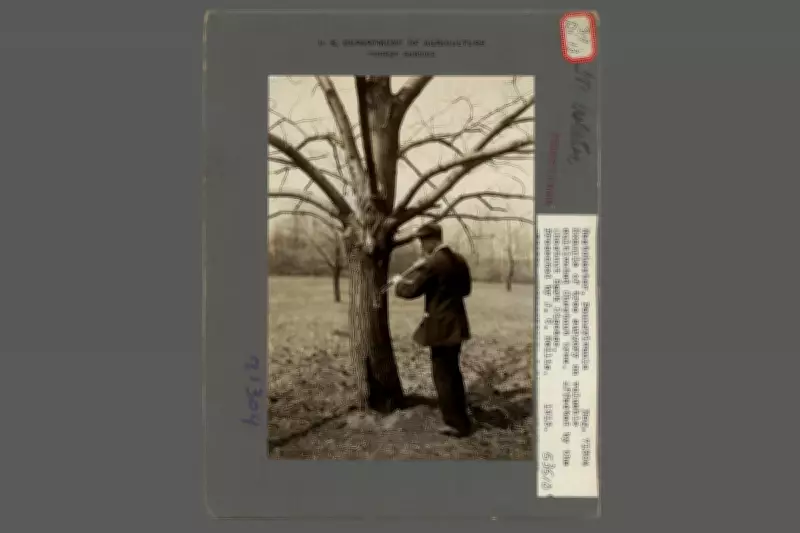
The American chestnut stands as a singular, iconic tree that once defined the eastern United States landscape. Its majestic presence and ecological centrality made it a cornerstone of the region's forests before a devastating disease outbreak forever altered the natural environment.
A Towering Presence in Eastern Forests
In the eastern United States, that rare sense of awe was once supplied in bulk by the American chestnut. Mature trees rose dramatically above the hardwood canopy, supported by trunks wider than a person is tall. These giants created a stunning visual impact that dwarfed common maples and pines, serving as living reminders of old-growth forests that have largely disappeared.
The Ecological and Economic Pillar
The American chestnut functioned as a centerpiece of the entire ecosystem. It produced such abundant chestnuts that it significantly boosted populations of turkeys, bears, and deer, which in turn helped spread the trees' seeds through their natural movements. Beyond its ecological role, the tree's straight grain made it exceptionally useful for furniture construction, while its durable wood created fenceposts that encircled farms and resisted pests and wear remarkably well.

At the turn of the 20th century, billions of American chestnuts populated eastern forests. Their abundant fruit traveled by railcar to cities for sale on street corners, and cultural references to these trees persist in holiday songs even today. The species represented both natural wonder and practical utility on a massive scale.
The Devastating Decline
Then the trees began dying en masse. A deadly airborne fungal blight, coupled with a lethal root rot, killed American chestnuts by the millions. This disease complex forever changed the American landscape, driving the species to functional extinction by the 1950s. The timeline means few people now remember what it was like to live among these forest giants, though their impressive size remains evident in historical photographs.
Conservation Efforts and Genetic Challenges
Despite their disappearance from the landscape, what American chestnuts once offered hasn't been forgotten. Dedicated associations work to preserve their story and pursue ambitious restoration efforts. Arborists have attempted to breed disease-resistant attributes into the American chestnut, often using Chinese chestnuts—a related species introduced to the United States for its valuable nuts that doesn't grow as tall but resists disease.
These breeding efforts have proven tremendously difficult. Simple crossbreeding techniques haven't worked effectively, and recent DNA sequencing reveals why: desirable traits are scattered across multiple locations in the genome. However, this genetic mapping also provides crucial guidance for developing trees more likely to survive future threats.
Hope for Restoration
Researchers maintain hope that in coming decades, enough healthy trees might be established for the species to no longer require human intervention. The ultimate goal remains restoring American chestnuts to the point where they can once again rely on natural seed dispersal through the meanderings of bears and the forgetfulness of squirrels, reclaiming their place in eastern ecosystems.
This preservation work represents more than botanical interest—it's an attempt to restore both ecological function and cultural heritage that disappeared within living memory. The story of the American chestnut serves as a powerful reminder of how quickly human activities and introduced pathogens can transform landscapes that once seemed permanent and immutable.