A landmark scientific study has revealed that same-sex intimacy is surprisingly widespread among our closest animal relatives, documented in 59 different primate species. The research, published in January 2026, provides compelling new evidence that homosexual behaviour is a natural phenomenon with deep evolutionary roots.
Widespread Behaviour Across the Primate Family
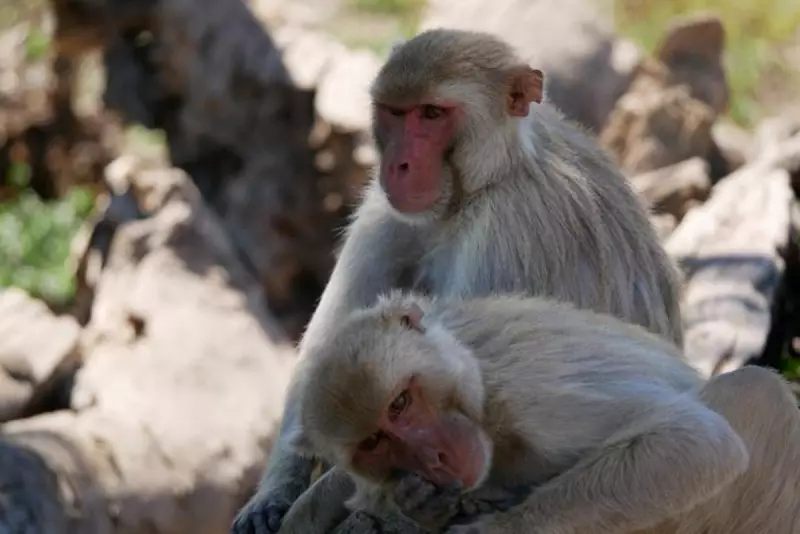
The comprehensive analysis examined data from 491 non-human primates, identifying clear evidence of repeated same-sex intimacy in 23 species. The behaviour was observed in a diverse range of animals including baboons, chimpanzees, and vervet monkeys.
Study author Chloe Coxshall, a PhD candidate at Imperial College London studying Rhesus macaques, defined the behaviour for the research. "It includes all behaviour where the intent is seen to be clearly sexual," she told The Independent. "This can be mounting, genital inspection and stimulation, and also fellatio – all typically considered sexual behaviours between members of the same sex."

Harsh Environments and Complex Societies as Key Drivers
The findings indicate that ecological and social pressures significantly influence the expression of homosexuality in primates. Researchers discovered a higher prevalence in species facing specific challenges.
Same-sex intimacy is more common in primates living in harsh or dry environments with limited food, such as Barbary macaques, and in areas with high predation risk, like vervet monkeys. It is also frequently observed in species with complex social hierarchies and mating systems, such as baboons and chimpanzees.
"What we find is that it is more common in animals that have complex societies, like a strong hierarchy, and complex mating systems where they don't mate in pairs but will have multiple partners," explained Ms Coxshall. She suggests the behaviour helps facilitate group harmony and communication, particularly in stressful scenarios.
Implications for Understanding Human Evolution
The study moves beyond simplistic genetic explanations, showing homosexuality emerges from complex interactions between environmental and genetic factors. The researchers speculate that similar pressures may have influenced the behaviour in human ancestors.
Co-author Vincent Savolainen noted, "At one point like 1.5 million years ago there were lots of hominid species living at the same time and they must have experienced the same sort of harsh environments. Here same-sex sexual behaviour may have been expressed in the same way we document in our analysis."
However, the scientists caution against direct comparisons with modern humans, where self-identity plays a crucial role. "In humans, it may not be food scarcity or rigid social hierarchies that drive these patterns, but rather the pressures of modern social living," they noted. The study, published in Nature, strongly emphasises that its evolutionary hypotheses "neither determine the validity of individual identities nor diminish their inherent value."
The research ultimately provides a powerful, evidence-based counter to arguments that homosexuality 'defies nature', firmly anchoring it within the diverse tapestry of natural behaviour observed across the animal kingdom.