Dorset Beach Resembles Stranger Things Episode After Mysterious Marine Invasion
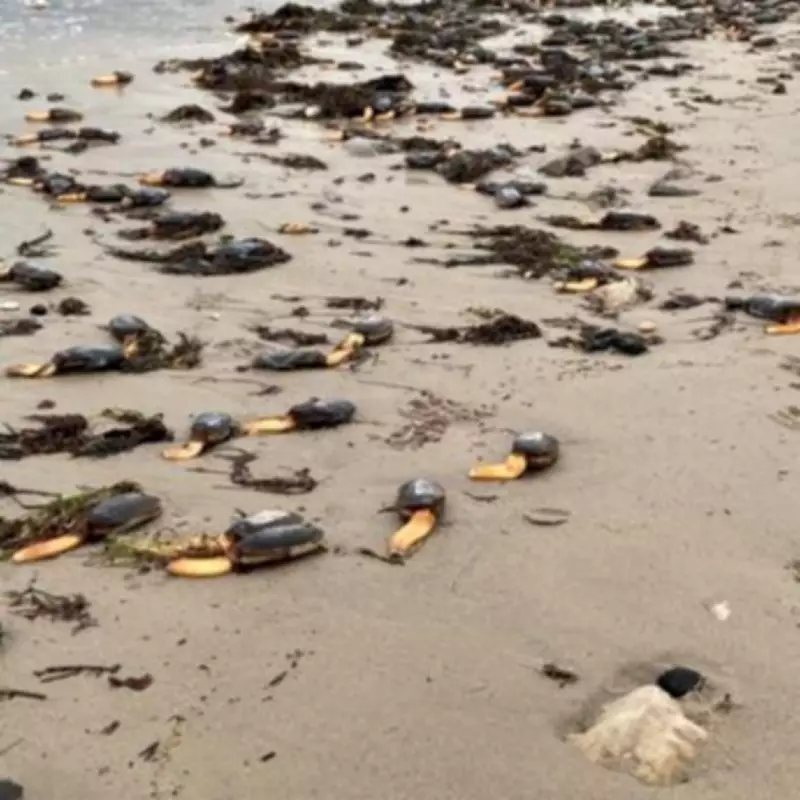
A picturesque beach in Dorset was dramatically transformed into an eerie scene reminiscent of the Netflix series Stranger Things this week. Visitors to Studland Bay were astonished to discover hundreds of mysterious creatures scattered across the shoreline, creating an otherworldly spectacle that captivated locals and tourists alike.
Bizarre Discovery Sparks Comparisons to Sci-Fi Series
The strange phenomenon involved hundreds of otter shell clams washing up on the sandy beach, creating an unusual and unsettling sight. Beachgoers immediately drew parallels to the supernatural occurrences depicted in the popular television series Stranger Things, where strange creatures frequently emerge from alternate dimensions.
The National Trust Purbeck Countryside spokesperson confirmed the unusual event, stating: "Stranger things on our shores. As well as a shipwreck, there have been some seriously strange things washing up on our beaches over the last few weeks. But the weirdest must be the masses of otter shell clams."

Tragic Explanation Behind the Marine Mystery
While the initial appearance suggested something supernatural, the reality proved considerably more heartbreaking. Experts determined that recent severe storms battering the United Kingdom were responsible for dislodging these marine creatures from their natural habitat.
These bivalve mollusks typically live buried deep beneath the seabed, where they use specialized siphons to filter plankton and algae from the surrounding water. The recent easterly winds generated powerful waves that scoured the ocean floor, forcibly extracting the clams from their hiding places and depositing them ashore in unprecedented numbers.
Marine specialists confirmed that most of the clams were already deceased when they reached the beach, and even those still alive were unlikely to survive if returned to the sea. A Dorset Wildlife Trust marine expert noted this represents the most dramatic otter shell clam washout event since 2018, indicating these particular specimens were approximately seven years old based on growth rings visible on their shells.
Local Reactions and Environmental Concerns
Residents of the area expressed both fascination and sorrow at the unusual occurrence. Local Julie Goward commented: "Sad to see, hope the numbers recover again." This sentiment reflects broader concerns about marine ecosystem resilience following such disruptive weather events.
The population had apparently recovered since the previous major washout six years earlier, demonstrating the remarkable regenerative capacity of these marine organisms. However, the frequency and intensity of such storm events raise questions about long-term environmental impacts on coastal ecosystems.
Broader Weather Context and Future Outlook
This marine phenomenon occurs against a backdrop of persistently unsettled weather across the United Kingdom. The Met Office has indicated there may be a brief respite from rainfall over the weekend before conditions deteriorate once more.
Forecasters predict that high pressure will dominate on Saturday, creating largely rain-free conditions with potential sunshine for many regions. However, from Sunday onward, Atlantic-dominated weather patterns are expected to return as a front approaches from the west, bringing renewed rainfall, strong winds, and possible snow across northern areas.
This weather pattern underscores the environmental pressures facing coastal regions and marine life, with storm systems increasingly capable of disrupting delicate underwater ecosystems and creating unexpected phenomena like the otter shell clam invasion at Studland Bay.