Southern Right Whale Birth Rates Plummet Amid Climate Crisis
A new scientific study has revealed a dramatic and concerning decline in the birth rates of Southern right whales, a species once celebrated for its recovery from near-extinction. This alarming trend is directly linked to the escalating climate crisis, which is severely impacting the availability of Antarctic krill, the whales' primary food source. Researchers warn that this could signal a significant setback for marine conservation efforts and the overall health of ocean ecosystems.
Krill Shortages Driven by Warming Oceans
The study, conducted by an international team of marine biologists, points to rising ocean temperatures and melting sea ice in the Antarctic as the key drivers behind the krill shortage. Southern right whales rely heavily on these tiny crustaceans for nourishment, particularly during their critical feeding seasons. As climate change alters ocean currents and reduces sea ice cover, krill populations are dwindling, leaving the whales undernourished and less capable of reproducing successfully.
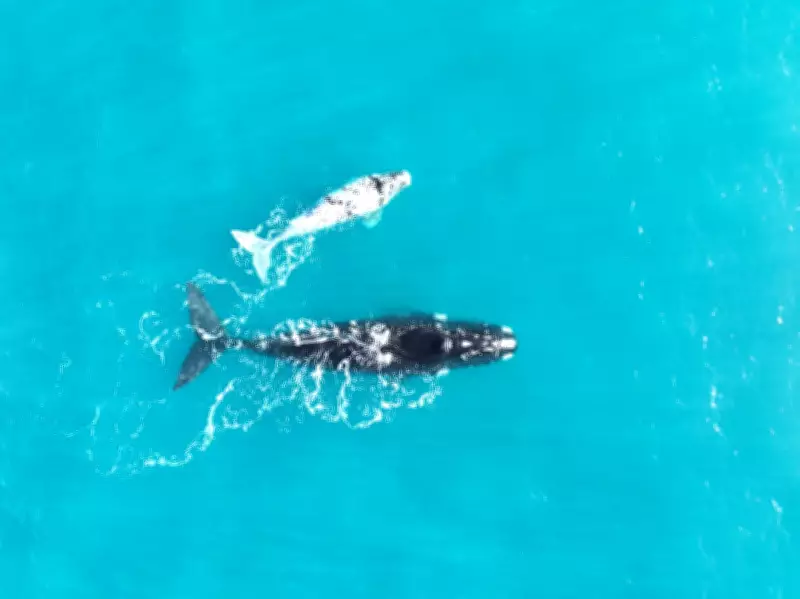
This nutritional deficit has led to a measurable drop in calving rates, with some populations experiencing declines of up to 30% over the past decade. The whales, known for their distinctive callosities and acrobatic breaches, are now facing a new threat that could undermine decades of protective measures and conservation successes.

Long-Term Implications for Marine Biodiversity
The decline in Southern right whale births is not just a concern for this iconic species alone; it has broader implications for marine biodiversity and the health of the Southern Ocean. As apex consumers, these whales play a crucial role in nutrient cycling and ecosystem balance. Their reduced numbers could disrupt food webs and affect other marine life, from fish to seabirds.
"The situation is a stark reminder of how interconnected our planet's systems are," noted one of the lead researchers. "Climate change isn't just about warmer temperatures; it's about cascading effects that reach every corner of the globe, including remote Antarctic waters."
Conservation Challenges and Future Outlook
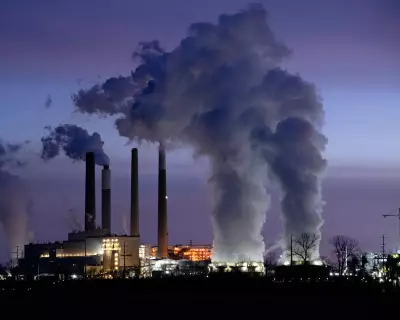
Conservationists are now grappling with the challenge of addressing this climate-driven threat. Traditional protection measures, such as whaling bans and marine protected areas, while still vital, may not be sufficient to counteract the impacts of global warming. The study calls for urgent, coordinated international action to reduce greenhouse gas emissions and implement adaptive conservation strategies.
Key recommendations from the research include:
- Enhancing monitoring of whale populations and krill stocks.
- Developing climate-resilient marine management plans.
- Supporting global efforts to meet Paris Agreement targets.
Without immediate intervention, the Southern right whale's recovery could stall, potentially leading to long-term population declines. This serves as a powerful indicator of the broader environmental changes underway and underscores the need for sustained commitment to combating the climate crisis.