Wildlife Filmmakers Unveil Behind-the-Scenes Secrets from New Big Cats 24/7 Series
In an exclusive revelation, the creators behind the acclaimed BBC series Big Cats 24/7 have shared intimate details from their latest filming expedition in Botswana's Okavango Delta. The second series, which premieres this month, follows the dramatic lives of lions, leopards, and cheetahs over six critical months from June to November, capturing unprecedented moments of survival and conflict.
Return to the Delta: New Challenges and Surprises
After a mere six-month hiatus since the first series, the BBC's wildlife team returned to the Okavango Delta, initially concerned about finding fresh narratives. However, they discovered that the big cats' lives had evolved with even more shocks and surprises. The series documents the animals battling extreme seasonal changes, from devastating floods to severe droughts, testing their resilience in harsh conditions.
The Xudum lion pride, now recognized as the largest in the world, faces immense pressure as dominant males Big Toe and Madumo go missing at the start of the series. This leaves the pride's females to defend against intruders and hunt for food to sustain forty lions alone. Meanwhile, the delta sees an influx of aggressive male leopards and the arrival of a new female leopard named Lediba, adding to the dynamic shifts in the ecosystem.

Filmmakers' Perspectives: Capturing the Drama
Cinematographer and wildlife presenter Gordon Buchanan expressed initial doubts about revisiting the same location and animals. "I think my slight concern was that we're going back to the same place. We're going back to the same cats. Are we going to go back to the same stories? And no, absolutely not," he revealed. Buchanan compared the new series to a television drama, noting that while characters and themes remain familiar, the stories are entirely different.
He described the gruelling filming process, which involves working around the clock in challenging terrains—from deep sand and floodwaters to freezing nights and scorching heat. "Filming 24/7 means surrendering to their world, working on their terms. The hours are long, the terrain unforgiving... It's physically and mentally gruelling. But when you finally catch 'the' moment, it makes everything worth it," Buchanan added.
Technological Innovations and Emotional Connections
The series leverages cutting-edge technology, including state-of-the-art thermal cameras and advanced drones, allowing the team to film the cats from the ground, air, and through the night. This equipment provides exclusive access and brand-new insights into the animals' nocturnal behaviors and daily struggles.
Fellow filmmaker Anna Dimitriadis shared her emotional reunion with cheetah Pobe, who surprised the team with two young cubs. "It's every wildlife cinematographer's dream to be able to go back to the same place and see characters that you filmed with before. But seeing her on the first day, it was like she was coming back to welcome us," Dimitriadis said. She noted that by the end of the series, she could predict Pobe's behavior, highlighting a deep connection formed over time.

Meet the Stars of the Delta
- Pobe: A seven-year-old female cheetah, now a mother of two cubs, faces heightened risks navigating an island dominated by the world's largest lion pride and numerous leopards.
- Xudum: A six-year-old female leopard, still struggling to rear cubs successfully after past tragedies, must find a safer territory amidst dangerous male leopards.
- Big Toe and Madumo: The missing dominant male lions of the Xudum pride, whose absence leaves the females vulnerable to new threats.
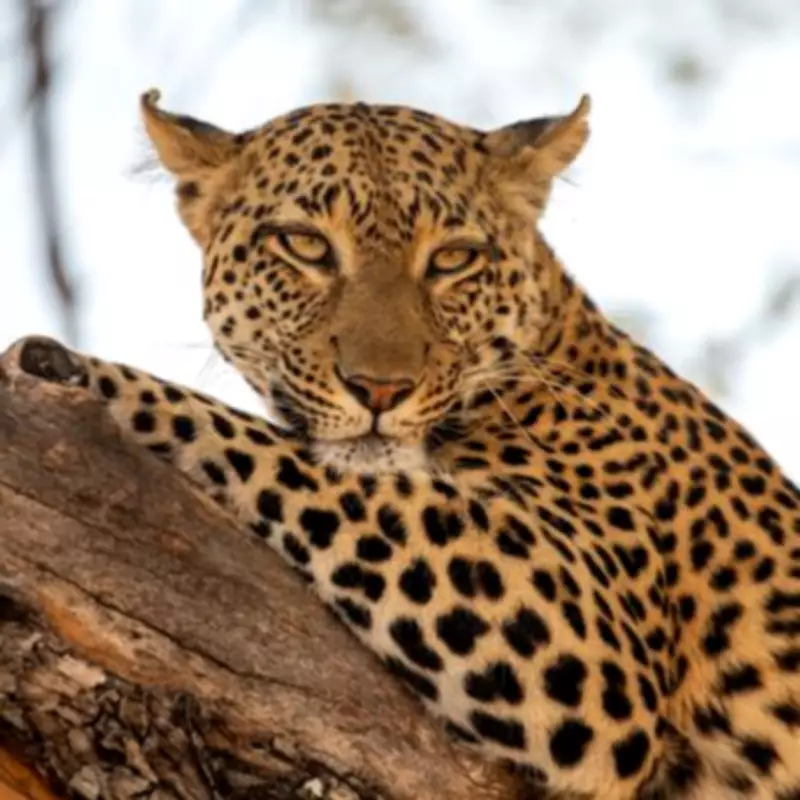
- Lediba: A ten-year-old female leopard with two cubs, known for her stealth and patience, works tirelessly to protect her young from predators.
- Mathata: The eighteen-month-old eldest cub in the Xudum pride, whose inexperience poses challenges during hunts.
- Magogo: The oldest female lioness in the pride, over eleven years old, continues to support her son Mathata despite her age.
The second series of Big Cats 24/7 promises to deliver gripping narratives of survival, family dynamics, and the relentless challenges faced by these majestic animals in one of Africa's most iconic landscapes.