RSPB Celebrates Capercaillie Population Increase in Scottish Pinewoods
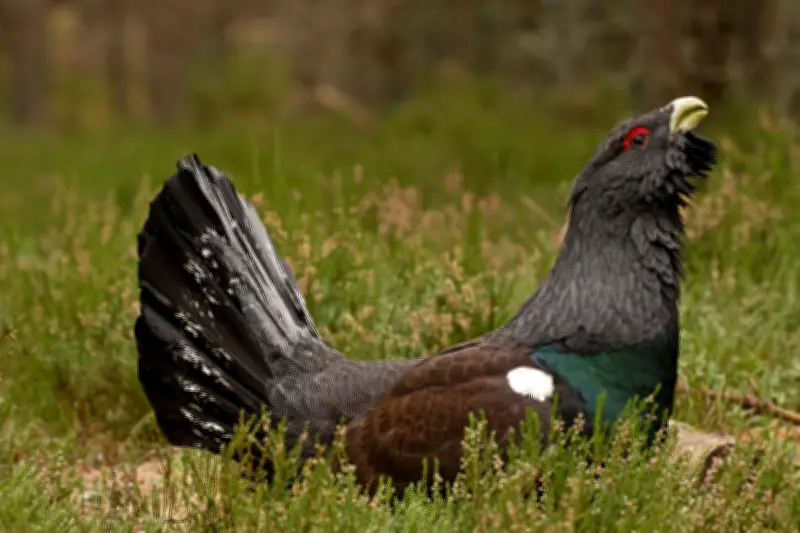
The Royal Society for the Protection of Birds (RSPB) has announced encouraging news for the critically threatened capercaillie population in Scotland, while simultaneously emphasising that substantial conservation work remains essential to secure the species' long-term survival.
Significant Increase at Key Reserve
At RSPB Abernethy, a crucial stronghold for the species, conservationists recorded 30 lekking males in 2025. This figure represents a notable 50 percent increase compared to the count in 2020, offering a glimmer of hope for a bird that has faced severe population declines across recent decades.
The capercaillie, once widespread throughout the United Kingdom, is now confined exclusively to the native pinewood forests of Scotland. The most recent national survey, conducted between 2021 and 2022, estimated the total UK population at a mere 532 individuals. This marks the lowest recorded level since systematic surveys began in the early 1990s and constitutes a dramatic 52 percent decline from the previous 2015-2016 estimate of 1,114 birds.

Innovative Habitat Management Trials
In response to this crisis, extensive conservation efforts are underway. At RSPB Abernethy, two innovative large-scale ground vegetation management methods are being trialled to improve habitat quality. One involves using a remote-controlled mower to remove dominant heather in difficult terrain, allowing blaeberry—a vital food source for capercaillie—to flourish. The other trial employs "virtual fence" cattle collars to facilitate large-scale grazing management.
These efforts are part of a broader Capercaillie Emergency Plan led by the Cairngorms National Park Authority and NatureScot, with backing from the Scottish Government. The plan aims to reverse the long-term population declines driven by multiple threats, including habitat degradation, natural predation of eggs and chicks, collisions with deer fences, and human disturbance.
Conservationists Cautiously Optimistic
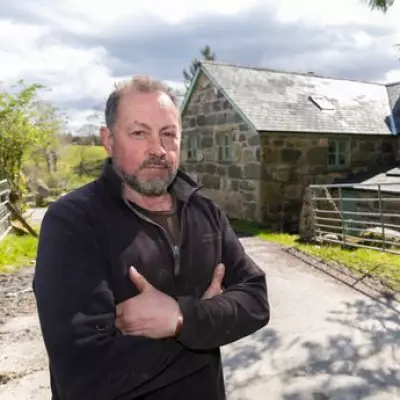
Richard Mason, Conservation Manager at RSPB Abernethy, commented on the recent increase. "The rise in lekking male capercaillie is a direct result of the extensive work we are doing to enhance habitat quality," he said. "The combination of strategic cutting and extensive cattle grazing has dramatically improved forest conditions. We are observing many chicks reaching full size, and while the future of the capercaillie remains precarious, we are hopeful these techniques can support their recovery in Scotland."
However, Mason was quick to temper optimism with a sobering reality check. "There is still a tremendous amount of work to be done for the capercaillie, not just at RSPB Abernethy, but across all their sites in Scotland," he added. "We know recovery is only possible through collaborative effort. It is encouraging to see other land managers, with support from the Scottish Government's Nature Restoration Fund, also undertaking innovative vegetation management. By enhancing these native pinewood forests collectively, we can work towards the recovery of this remarkable bird."
The RSPB's report underscores a critical juncture for UK biodiversity: while targeted interventions can yield positive results for endangered species, sustained, coordinated action across multiple sites and stakeholders is imperative to prevent extinction and ensure genuine, lasting recovery.