Roe Deer Make a Remarkable Comeback in Scotland's Landscapes
In the scenic hillsides near Castle Douglas, Dumfries and Galloway, roe deer are experiencing a resurgence, having once faced near extinction in Scotland. These graceful creatures, one of only two deer species native to the region alongside red deer, now roam widely across the country, enjoying the breathtaking views from their elevated habitats.
A Glimpse into the Deer's Natural Habitat
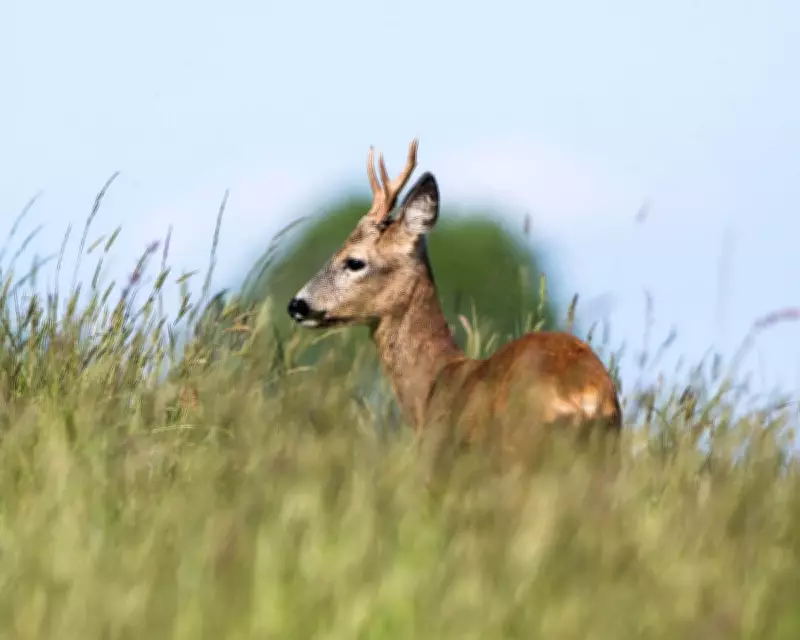
During a recent walk along old logging roads near the Kirkennan estate, observers spotted wild roe deer resting approximately 100 metres up a hillside. The air was fresh with the scent of rain and wood, creating a serene atmosphere. The deer, with their short mahogany fur, blended seamlessly into the long, wiry grass and shrubs, making them a subtle yet captivating sight.
As the walkers ascended the hill, they reached the deer's resting spot, finding only traces of their presence: hazel fur caught in the shrubs and indentations in the grass where the animals had been lounging. This evidence highlighted the deer's ability to thrive in these natural settings, undisturbed by human activity.

Stunning Views from the Hillside
The deer had chosen a small ledge protruding from the immense hillside, offering panoramic views of Castle Douglas and beyond. For miles, the landscape unfolded with lush emerald fields, dense forests, and a thick layer of fog settling above, creating a mystical ambiance. The soft moss underfoot and the humid, rain-fresh air added to the sensory experience, with leaves on the trees swaying gently like ballerinas.
This picturesque setting not only provides a home for the roe deer but also underscores the beauty of Scotland's rural areas. The harmony between the wildlife and their environment is a testament to successful conservation efforts and the resilience of native species.
Historical Context and Conservation Success
Back in the 1700s, roe deer were almost extinct in Scotland due to hunting and habitat loss. However, through dedicated conservation initiatives and natural recovery, they have made a significant comeback. Today, they are widespread, symbolizing a victory for wildlife preservation and ecological balance.
The experience shared by a young observer, Isobel, aged 13, in this Young Country Diary entry, captures the wonder of encountering these deer in their natural habitat. It serves as a reminder of the importance of protecting such species and their environments for future generations to enjoy.
As the Young Country Diary submission form reopens for spring entries, more stories like this are expected to highlight the rich biodiversity and scenic beauty of Scotland's countryside.