Record Grey Seal Pup Boom at Former Cold War Weapons Testing Site
A remarkable wildlife success story is unfolding on the remote Suffolk coast, where a record number of grey seal pups have been born this season at a location once used for Cold War weapons testing. The National Trust has reported that 430 seal pups were counted at Orford Ness during the recent pupping season, representing a dramatic increase from the previous year's total of 228 arrivals.
From Military Testing to Marine Sanctuary
The transformation of Orford Ness from a military installation to a vital breeding ground for grey seals began in 2021, when the first 200 adult seals arrived at the site. This initial colonization occurred during a period when visitor access was significantly reduced due to extended closures related to the Covid-19 pandemic. Since that time, the population has experienced consistent annual growth, with pup numbers rising from just 25 in the 2021-22 season to 66 in 2022-23, then 133 in 2023-24, before reaching 228 in 2024-25.
Matt Wilson, countryside manager for the National Trust's Suffolk and Essex coast portfolio, expressed enthusiasm about the colony's development. "This year, our peak counts have included 803 adults and 430 pups, which is by far the highest numbers we've seen since the grey seals' arrival in 2021," he stated. "We're now in the fifth consecutive year of successful breeding at Orford Ness, which means that some of the adults having pups this year would have also been born here in 2021 and 2022."

Ideal Conditions for Seal Proliferation
Wilson attributed the colony's success to several favorable environmental factors. "It's a good sign that the habitats are healthy, with enough fish stocks to keep them sustained throughout the winter, and the shingle ridge providing shelter from storms," he explained. The seasonal closure of Orford Ness from late October until spring, which coincides perfectly with the seal pupping season, has also played a crucial role in minimizing human disturbance.
"That means the likelihood of human disturbance is greatly reduced, which no doubt adds to their overall health and wellbeing and has so far helped them to thrive," Wilson added. Conservationists believe the seals initially migrated from well-established colonies in Norfolk, including those at Blakeney and Horsey, establishing what has become Suffolk's first breeding grey seal colony.
Monitoring Challenges and Conservation Efforts
Tom Allen, ranger at Orford Ness, highlighted the practical challenges of monitoring the growing population. "The bigger numbers, and typically wintry weather... can make counting difficult," he noted. "Seals are wild animals and therefore move around, which occasionally means we're unable to even get to some of their locations without the risk of disturbing them."
The monitoring team employs a combination of telescopes and binoculars to observe the colony from a safe distance. "We use a combination of telescopes and binoculars to help, which allows us to monitor the size and health of the colony from a safe distance, but as the colony gets bigger, it's likely that our counts will become estimates rather than final numbers," Allen explained. "We try to be as accurate as possible, but there is always a chance that some may have been missed."
Grey Seal Biology and Development
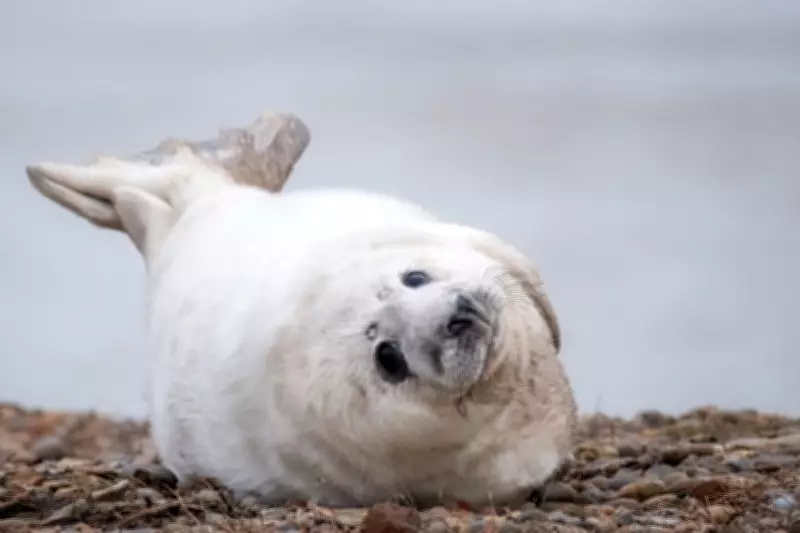
The reproductive patterns and development of grey seals contribute to their successful colonization of Orford Ness. Female grey seals, known as cows, typically demonstrate strong site fidelity, returning to the same location each year to give birth. Newborn pups generally weigh approximately 13 kilograms (two stone) at birth and are covered in thick white fur that provides essential insulation but lacks waterproofing capabilities.
These young seals remain on the shore until they shed their initial white coat, which usually occurs around three weeks of age, revealing the sleek grey fur characteristic of adult grey seals. During this critical developmental period, pups feed six times daily, with their weight typically tripling by the time they are weaned and ready to venture into the marine environment.

The remarkable transformation of Orford Ness from a Cold War weapons testing facility to a thriving seal breeding ground demonstrates how reduced human activity and appropriate conservation management can create unexpected opportunities for wildlife recovery and population expansion along Britain's coastline.