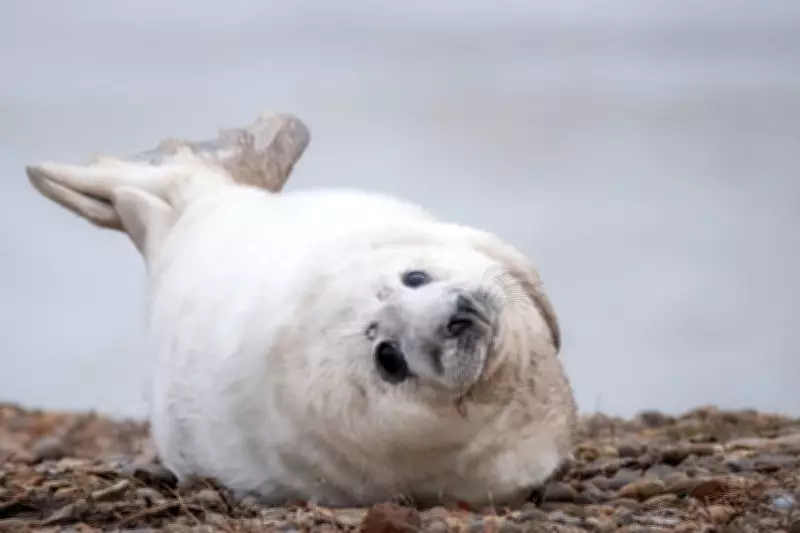
Record Grey Seal Pup Births at Former Cold War Weapons Testing Site in Suffolk
A remarkable conservation story is unfolding at Orford Ness on the Suffolk coast, where a record number of grey seal pups have been born this season. The remote shingle spit, once a Cold War weapons testing site, has become a thriving breeding ground for the species, with numbers soaring in recent years.
Unprecedented Numbers at Orford Ness
This pupping season, a total of 430 grey seal pups have been counted at Orford Ness, nearly doubling the previous year's total of 228 arrivals. This represents a dramatic increase from the early days of the colony, which began in 2021 when the first 200 adult seals arrived at the site. Since then, pup numbers have grown steadily: 25 were born in the 2021-22 season, 66 in 2022-23, 133 in 2023-24, and 228 in 2024-25.
Matt Wilson, countryside manager for the National Trust's Suffolk and Essex coast portfolio, expressed enthusiasm about the development. "This year, our peak counts have included 803 adults and 430 pups, which is by far the highest numbers we've seen since the grey seals' arrival in 2021," he said. "We're now in the fifth consecutive year of successful breeding at Orford Ness, which means that some of the adults having pups this year would have also been born here in 2021 and 2022."

Factors Contributing to the Colony's Success
Several key factors have contributed to the seals' thriving population at Orford Ness. The site is believed to have initially attracted seals from well-established colonies in Norfolk, such as those at Blakeney and Horsey, making it Suffolk's first breeding grey seal colony. The National Trust attributes part of the success to reduced human disturbance, as Orford Ness closes from late October until spring each year, coinciding with the seal pupping season.
"That means the likelihood of human disturbance is greatly reduced, which no doubt adds to their overall health and wellbeing and has so far helped them to thrive," Wilson explained. He also noted that the healthy habitats, with sufficient fish stocks to sustain the seals throughout winter, and the shingle ridge providing shelter from storms, are positive indicators for the colony's future.
Challenges in Monitoring the Growing Colony
As the seal population expands, monitoring efforts face increasing challenges. Tom Allen, a ranger at Orford Ness, highlighted the difficulties in counting the seals accurately. "The bigger numbers, and typically wintry weather... can make counting difficult," he said. "Seals are wild animals and therefore move around, which occasionally means we're unable to even get to some of their locations without the risk of disturbing them."
To address this, rangers use telescopes and binoculars to monitor the colony from a safe distance. However, Allen acknowledged that as the colony grows, counts may become estimates rather than precise numbers. "We try to be as accurate as possible, but there is always a chance that some may have been missed," he added.
Biology and Behaviour of Grey Seals
Understanding the biology of grey seals helps explain their success at Orford Ness. Female grey seals, known as cows, typically return to the same location each year to give birth. Pups are born weighing around 13kg (two stone) and are covered in thick white fur that provides warmth but is not waterproof. They remain on the shore until they shed this coat, revealing sleek grey fur underneath, at around three weeks of age.
During this period, pups feed six times a day, and their weight triples by the time they are weaned. This rapid growth is essential for their survival in the harsh coastal environment.
The transformation of Orford Ness from a military testing ground to a sanctuary for grey seals underscores the resilience of nature and the positive impact of conservation efforts. With continued protection and monitoring, this colony is poised to remain a vital part of Suffolk's coastal ecosystem for years to come.