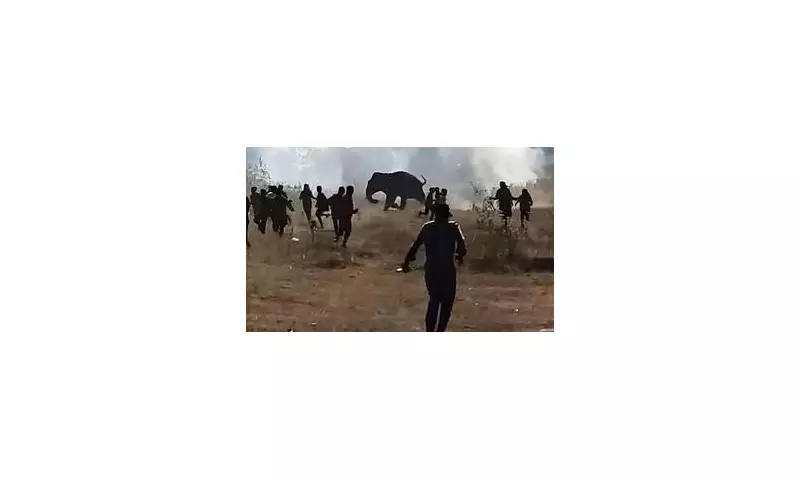
A state of terror has gripped villages in eastern India after a rampaging elephant killed 22 people, forcing residents to flee their homes and seek refuge on rooftops and in treetops.
Spree of Violence in Jharkhand
The young male elephant, which is missing one tusk, remains on the loose in the West Singhbhum district of Jharkhand. This region is located approximately 730 miles east of the Indian capital, New Delhi. The animal's deadly rampage began on January 1 and has continued unabated.
Forest officials believe the elephant is in a heightened mating phase known as musth. This period is characterised by a surge in sexual hormones and aggressive behaviour, which can persist for up to 20 days. "We have seen elephants in musth in the past, but they’d rarely harm people," said Aditya Narayan, a division forest officer for Chaibasa district. "This is unprecedented."

Community Devastated by Attacks
The death toll of 22 includes four children, one of whom was an eight-month-old baby. The elephant has shown no mercy, trampling anyone in its path. "Anyone who came in front of it was trampled," Officer Narayan stated, highlighting the grim reality. He revealed the profound impact on one family, noting, "In one family alone four people were killed."
Fearing the elephant's return, local villagers have been compelled to take extreme measures for their safety. Many have abandoned their makeshift homes entirely. Others spend nights sleeping on flat rooftops or perched in the branches of trees, too terrified to remain at ground level.
Desperate Hunt for a Solution
In response to the crisis, Indian authorities have launched a major operation to capture the animal. A team of at least 80 forest officers has been deployed with the primary goal of locating and tranquilising the rogue elephant.
Alongside the official efforts, some frustrated and frightened locals have reportedly formed vigilante groups, taking matters into their own hands to track down the dangerous animal. The situation underscores the severe and sometimes deadly conflicts that can arise between humans and wildlife as habitats overlap.
The community now lives in a state of anxious suspension, hoping the authorities can safely end the threat before more lives are lost.