Paris Wildlife Hospital's Unique Approach to Saving Urban Animals
A specialised wildlife hospital located in the southeastern Paris suburb of Maisons-Alfort operates under a strict philosophy: no cuddles, but exceptional care. This facility dedicates itself to treating injured, sick, and orphaned wild animals that frequently become casualties of human activity and relentless urban expansion. The primary objective remains returning these creatures to their natural habitats, necessitating careful protocols that prevent human attachment.
Rescuing a Vulnerable Fox Cub
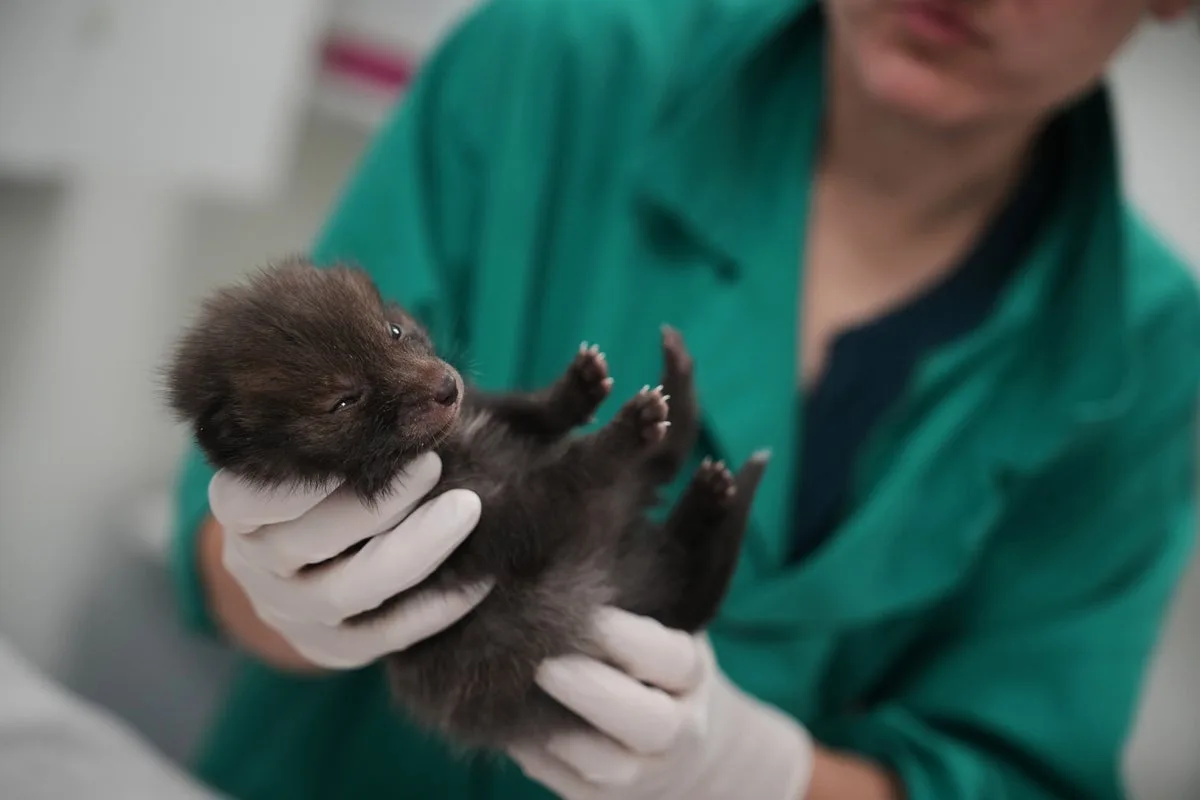
Recently, a female fox cub approximately two weeks old was discovered alone in a garden on Paris's outskirts, with no mother in sight. Residents with hunting dogs found the juvenile animal, far too young to survive independently. At the Wildlife Veterinary Hospital in Maisons-Alfort, veterinarian Julie Piazza conducted a thorough examination, identifying only a minor injury likely from another animal or dog bite. The cub received artificial milk formulated to match natural composition, though this initially caused abdominal swelling—a common reaction to dietary disruption in young animals.
Animal caretaker Valentin Delon emphasised the critical need for around-the-clock monitoring. "We ensure she eats properly," Delon explained. "If necessary, we provide supplemental bottles to guarantee adequate weight gain." The team strictly avoids any behaviour that could create long-term bonds, known as imprinting. "We don't cuddle them, we don't talk to them," Delon stated. "Maintaining distance is essential for their eventual successful release."
Comprehensive Rehabilitation Process
Once healed, animals transition to outdoor enclosures and aviaries, preparing for reintroduction to the wild. For the fox cub, this means eventual transfer to a rehabilitation centre where she will join other foxes in a controlled environment. Delon outlined the gradual release strategy: "We cannot simply release her immediately. She must first enter an enclosure, then we gradually open access while continuing feeding. We slowly reduce food supplies, achieving a truly phased return to nature."
Over the past year, the hospital has admitted more than 10,400 wild animals, including diverse bird species and European mammals like foxes, deer, and hedgehogs. Birds constitute approximately 86% of patients, with recent cases including a swan with a broken wing, injured hedgehogs, numerous orphaned ducklings, and pigeons receiving the same meticulous care as rarer species.
Addressing the Surge in Juvenile Admissions
Elisa Mora, communications head for the nonprofit Faune Alfort operating the hospital, reported a record 200 admissions in a single day last summer. The facility relies heavily on individual donations, charitable funding, and volunteer support for feeding and care. Mora highlighted April through September as the "juvenile period" when wild animals reproduce, leading to admission peaks. "Wild animals are inherently vulnerable, but juveniles face even greater risks," she noted. Tragically, animals too severely injured or incapable of surviving in the wild require euthanasia.
Founding Vision and Human Impact Response
Veterinarian Jean-François Courreau established Faune Alfort in 1987, motivated by students eager to improve wild animal treatment. By 1993, the initiative evolved into a formal hospital hosted by the historic National Veterinary School of Alfort, founded in the eighteenth century. Courreau expressed his driving conviction: "It's difficult to witness an animal in distress helplessly. As a veterinarian, helping is my duty."
He observed that people discovering distressed wildlife often feel powerless. "They think, 'I can't do anything, the animal will die.' Knowing a care centre exists where they can bring the animal provides immense relief." The hospital addresses consequences of human activity, with 60% to 80% of admissions resulting from road collisions, entanglement in barbed wire, or injuries from gardening tools and agricultural machinery.
As the sole facility in the greater Paris region treating a broad spectrum of wild species, this wildlife hospital embodies a crucial response to urban environmental challenges, balancing compassionate care with disciplined protocols to preserve wild instincts.