Network Rail Under Fire for Blocking Bird Nesting Sites Across the UK
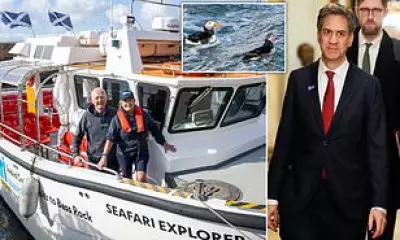
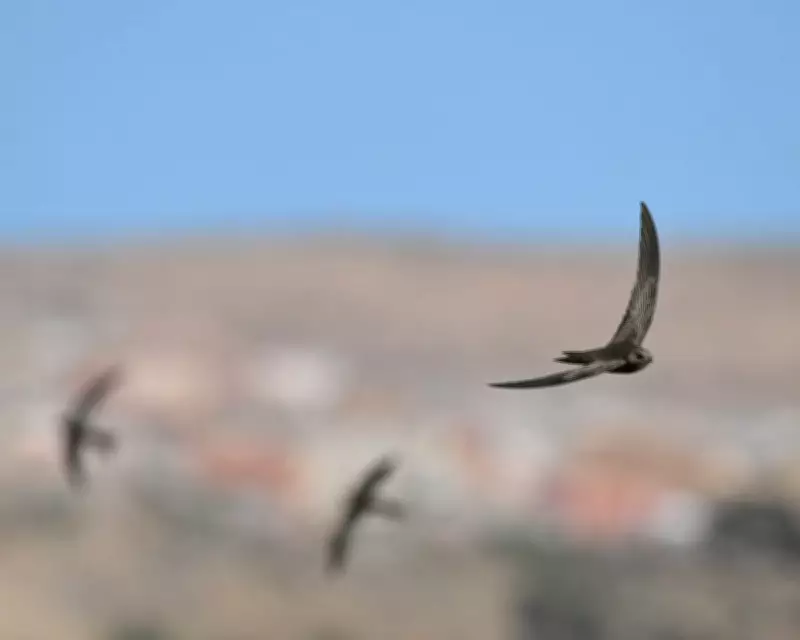
Network Rail is facing significant criticism following reports of blocked nesting sites for swifts in Derbyshire and sand martins in Perthshire, actions that campaigners argue contradict the company's biodiversity strategy.
Incidents in Derbyshire and Perthshire Highlight Environmental Concerns
In early 2024, Network Rail repointed the Inver viaduct over the River Braan in Perthshire, inadvertently blocking the nesting sites of a colony of sand martins. Despite repeated assurances that mitigation measures would be implemented, no restoration of these sites has occurred. This mirrors a similar incident at Chapel Milton viaduct in Derbyshire, where swift nesting holes were blocked, sparking public outrage.
Sue Atkinson from Inver, Perthshire, expressed her distress, noting that this represents "yet another nibble taken out of our fragile and fragmented natural environment." She highlighted the lack of success in dealing with Network Rail on this issue, hoping that swift campaigners might achieve better outcomes.

Contradictions with Biodiversity Strategy
Network Rail's actions appear to conflict with its own biodiversity strategy, which aims to protect and enhance wildlife habitats. The blocking of these nesting sites raises questions about the company's commitment to environmental stewardship and the effectiveness of its policies in practice.
- Impact on Bird Populations: Swifts and sand martins rely on specific nesting sites, and their loss can significantly affect local populations.
- Public and Campaigner Response: There has been a strong reaction from environmental groups and the public, calling for immediate restoration efforts.
- Broader Environmental Implications: These incidents underscore ongoing challenges in balancing infrastructure maintenance with wildlife conservation.
As debates continue, the focus remains on holding Network Rail accountable and ensuring future projects prioritise biodiversity protection to prevent further degradation of the UK's natural habitats.