Natural England Criticised for Halting New Wildlife Site Designations
England's government wildlife watchdog, Natural England, is facing severe criticism for its failure to protect nature, as a new report reveals it has stopped designating new Sites of Special Scientific Interest (SSSIs) since 2023. SSSIs are nationally or internationally important areas for rare wildlife and habitats, and without this designation, endangered species are at significant risk from development projects.
Development Threats to Potential Protected Sites
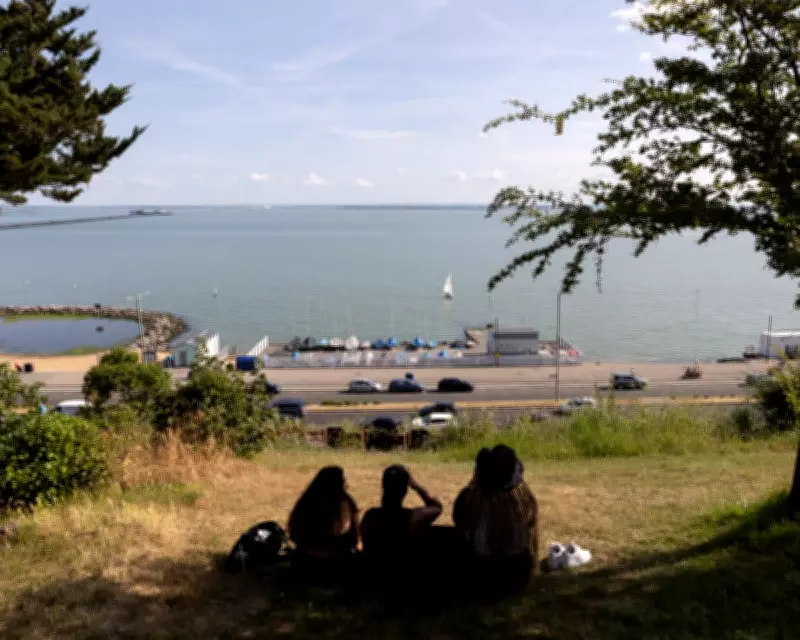
The report, compiled by planning experts for the Wild Justice campaign group, found that 14 potential SSSIs on Natural England's "designations pipeline" have received planning applications or decisions for major development within a 1km radius. Of these, 12 have been approved, including a site in Thurrock where a planning application has been granted, allowing construction to proceed over an area earmarked for future protection.
Bob Elliot, chief executive of Wild Justice, condemned the inaction, stating: "While Natural England dithers and 'reviews processes', irreplaceable wildlife sites are being trashed, damaged, and even built over. That is not a technical failure, it's a dereliction of duty." He emphasised that protecting nature at a landscape scale is impossible without safeguarding the best sites, urging immediate action to reopen the designation pipeline and allocate necessary resources.

Historical Context and Current Shortfalls
SSSIs were established in 1949 to protect England's wildlife, and designating new ones is a formal duty of Natural England, crucial for meeting the government's legal commitment to protect 30% of land and sea for nature by 2030. However, the report indicates that SSSIs currently cover only 7.1% of England, a lower proportion than any EU country.
In 2012, Natural England aimed to designate 12 to 20 sites annually for two to three years, with plans to decide on 50 cases each year thereafter. In reality, it has created just 33 new SSSIs over the past 14 years, with none since 2023 and no site extensions. Since 2005, the total area of SSSIs has increased by a mere 2.8%.
Internal Admissions and Resource Constraints
A letter from Natural England, seen by the Guardian, admits that no new potential SSSI sites are being added to its "designations programme," and formal assessments for several sites have been paused. The watchdog cited a review of "limited resources" to prioritise efforts effectively for nature restoration.
One notable example is the Thurrock site, part of the "Ashfield A1" proposed SSSI and West Tilbury Marshes local wildlife site, described as "the most important area for invertebrates across the North Thames area." This area will be destroyed by the Tilbury 3 port development, granted planning permission in February 2024, despite Natural England indicating in 2024 that a designation decision was expected in 2025.
Broader Ecological Risks and Longstanding Delays
The Thames estuary was placed into Natural England's SSSI designation pipeline in 2020 due to threats to unique wildlife. A 2008 study identified 198 sites of high or medium value for insects; by 2014, 100 had been lost to development or were under imminent threat from urbanisation.
The Wild Justice report, authored by Dr Kiera Chapman, Prof Malcolm Tait, and Dr Rob Davies, found that 63% of potential SSSIs are at high risk from development. It also noted that eight potential sites have major developments proposed in local authority plans within 1km, with six of those plans approved. Sites like Bernwood Forest in Buckinghamshire face threats from future projects such as "Calvert city" near HS2 and East West Rail lines.
Some potential SSSIs, including Filey Brigg to Scarborough South Bay and Flamborough Head, have remained on Natural England's pipeline list for a decade without any decision. Notably, a 2,000-word strategy for nature recovery published by Natural England last year did not mention SSSIs at all.

Amanda Craig, director of resilient landscapes for Natural England, defended the agency, stating: "Sites of special scientific interest are the foundation of England's most precious habitats and species, and form the core from which wider nature recovery can spread. Natural England has a rolling programme to keep under review places that may merit and benefit from designation as SSSIs." She added that on the Tilbury 3 site, Natural England is working with local partners to protect wildlife based on survey evidence.