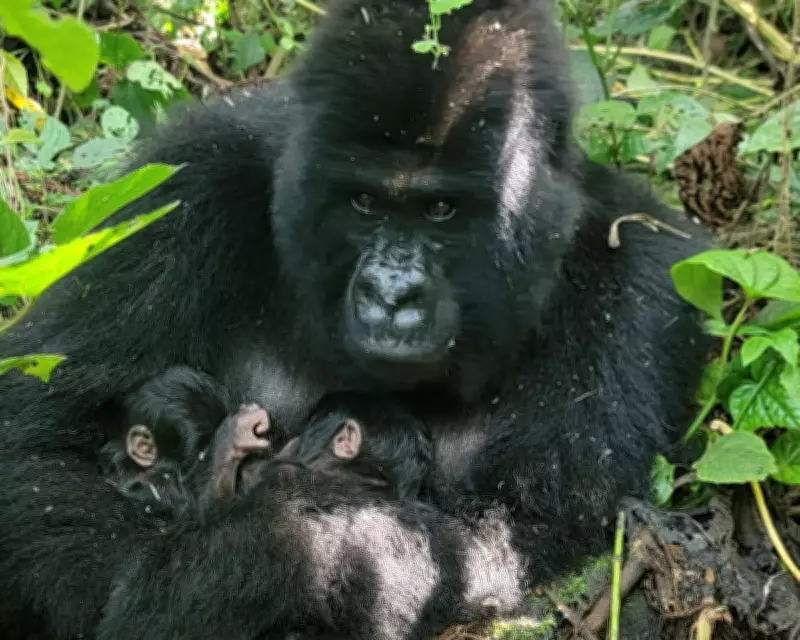
In a heartening development for wildlife conservation, Mafuko, a mountain gorilla in the Democratic Republic of the Congo, has been photographed cradling her newborn twin sons. This rare event, captured in Virunga National Park, underscores a broader trend of recovery for a species once teetering on the brink of extinction.
A Remarkable Turnaround for Mountain Gorillas
During the 1970s and 1980s, the global population of mountain gorillas plummeted to a mere 250 individuals, with many experts predicting their imminent disappearance. Today, however, their numbers have surged to over a thousand, a testament to decades of relentless conservation work. The recent birth of two sets of twins within three months in the Virunga range serves as a powerful indicator of this resurgence.
Extraordinary Births in a Volatile Region
Jacques Katutu, head of gorilla monitoring at Virunga, described the twin births as "extraordinary events" that reflect the success of conservation initiatives, even amidst ongoing instability in eastern DRC. Twins are exceptionally rare in mountain gorillas, accounting for less than 1% of births, making this occurrence particularly significant.

Rangers suspect that the births may signal improved health among gorilla families, enabling them to cope with the additional demands of raising twins. Historically, infant mountain gorillas have faced high mortality rates due to factors like infanticide, trauma, and illness. Yet, the first pair of twins born in January are reported to be thriving, with other members of the Bageni troop assisting Mafuko in caring for her offspring.
The Heroes Behind the Recovery
This success story is underpinned by the courageous efforts of park rangers and veterinarians. Virunga National Park, often cited as one of the most dangerous places for rangers, has seen over 220 fatalities in the past two decades due to conflicts with rebel groups like M23. Despite these risks, authorities continue to manage the ecosystem diligently.
A special accolade goes to the Gorilla Doctors, an NGO whose interventions have been credited with contributing to half of the population increase. These veterinarians, such as Dr. Benard Ssebide, trek through dense forests daily to monitor and treat gorillas for injuries and diseases. They maintain intimate knowledge of each animal, tracking their growth and family dynamics across the Virunga range and Bwindi Impenetrable National Park in Uganda.
A Glimmer of Hope in Environmental Challenges
While global environmental issues often evoke pessimism, the mountain gorilla's rebound offers a poignant reminder of humanity's capacity to foster positive change. The twin births not only celebrate a species' resilience but also highlight the critical importance of sustained conservation efforts in conflict zones.
As the gorilla population grows, questions arise about future habitat constraints, but for now, these developments inspire optimism. The dedication of rangers, vets, and conservationists continues to pave the way for a brighter future for these majestic creatures.