Millionaires Fund Final Rescue Attempt for Stranded Humpback Whale in Germany
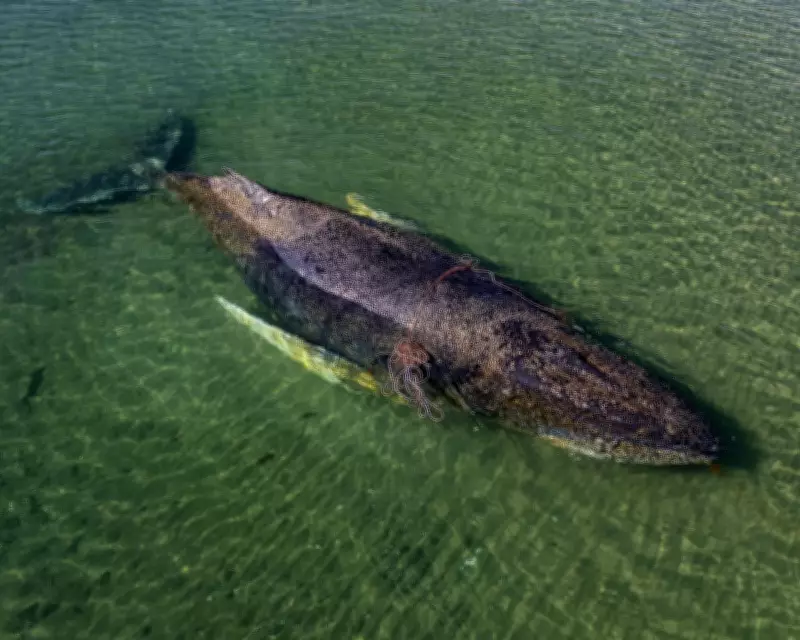
A dramatic and controversial last-ditch effort to save a humpback whale stranded in the Baltic Sea has been launched, funded by two multimillionaires. The whale, nicknamed Timmy, has captivated Germany for weeks after becoming trapped in shallow waters near Timmendorfer Strand on the northern coast.
The Desperate Rescue Operation
The rescue mission, dubbed Operation Cushion, involves a high-risk plan to free the 12-tonne, 10-metre-long male humpback. Rescuers waded into hip-deep water to reach the animal, with the aim of flushing silt from beneath its flippers and sliding air cushions underneath. The whale would then be lifted onto a tarpaulin tethered to pontoons and towed by tugboat into the North Sea, potentially as far as the Atlantic Ocean, to release it into more suitable waters.
Walter Gunz, founder of a major electronics retailer chain and one of the sponsors, defended the effort, stating, "At least if you try something you have a chance of saving it." Without intervention, he argued, the whale would certainly perish. The operation is co-financed by equestrian event organiser Karin Walter-Mommert, with state approval granted despite earlier suspensions of government-led rescue attempts.

Criticism and Political Context
Environmental groups, including Greenpeace, have criticised the mission as unlikely to succeed and potentially harmful to the already weakened animal. Greenpeace cited reports from the German Oceanographic Museum and the Institute for Terrestrial and Aquatic Wildlife Research, indicating the whale's survival chances are extremely low while the operation carries a high risk of injury.
Critics have suggested that political motivations may be influencing the official support for the rescue, pointing to a closely contested election in Mecklenburg-Western Pomerania scheduled for September. The regional environment ministry has stated that the sponsors bear full responsibility for the operation's outcome.
Public and Official Reactions
The whale's plight has sparked widespread public interest, with local media providing live streams and minute-by-minute coverage of the rescue attempts. Till Backhaus, the environment minister for Mecklenburg-Western Pomerania, expressed support for the "unique" mission, noting that the whale, while not active, still shows signs of life.
Even Germany's president, Frank-Walter Steinmeier, became involved, organising a meeting with veterinary experts during a visit to Stralsund to discuss the animal's condition. The whale reportedly entered the Baltic Sea last month, possibly while chasing herring, and suffers from wounds and a skin infection, exacerbated by the low salt levels in the water.
As the rescue unfolds, the debate continues over whether this final attempt represents a noble effort or a misguided intervention that could cause further harm to a creature fighting for its life.