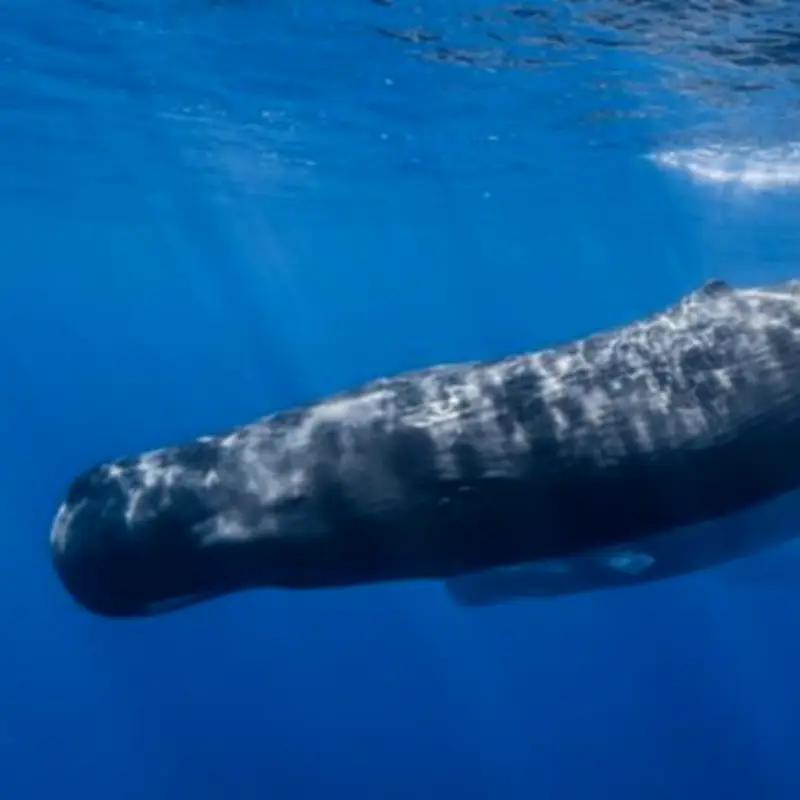
Scientists have uncovered an enormous "whale graveyard" in the Indian Ocean spanning 1,200 kilometers (745 miles). Located up to 7 kilometers (4 miles) underwater in the Diamantina fracture zone, the site contains hundreds of fossil cetaceans, some dating back 5.3 million years.
Discovery Details
A team of researchers from China, Italy, and New Zealand made the discovery, which they describe as a "whale necropolis." The area is teeming with organisms and species that "may be new to science," according to a study published in Nature.
"We report the discovery of a vast whale necropolis in the Diamantina Zone (4,616- to 7,001-m depth), extending about 1,200km along the sea floor of the southeastern Indian Ocean," the researchers wrote. During 32 dives, explorers found five modern natural whale-fall communities and 476 fossil cetaceans.
Notable Finds
Among the remains was a 5.3-million-year-old skull of the extinct beaked whale Pterocetus benguelae, and a five-meter-long Antarctic minke whale carcass. A new species, Pterocetus diamantinae, named after the site, was also uncovered.
The deep-sea ecosystem hosts jellyfish, worms, and crustaceans living off the carcasses. "The discovery of whale-fall communities in the Diamantina Zone at depths exceeding 6,700m establishes one of the deepest known whale-fall ecosystems in the ocean, extending the known depth range of such habitats by more than 2,500m," the team added.
Evolutionary Context
Whales evolved from furry, four-legged land mammals about 50-53 million years ago during the Eocene epoch. Modern whales vary in lifespan: blue whales live 80-90 years, while bowhead whales can exceed 200 years.