
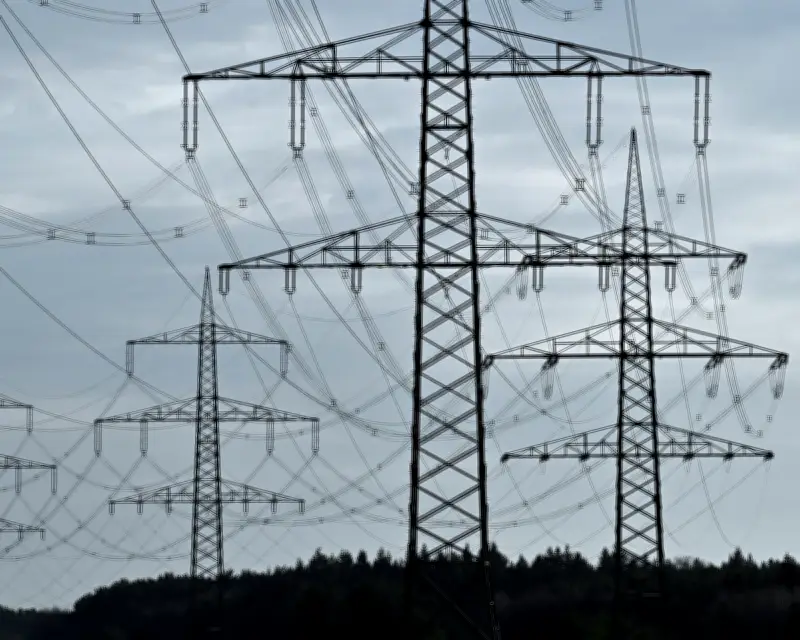
A new report suggests that reforming the way public institutions purchase electricity could save UK households up to £200 a year on their energy bills. The study, conducted by the Energy Systems Catapult, argues that centralizing procurement for schools, hospitals, and government buildings would drive down costs and increase competition among suppliers.
Potential savings and benefits
The report estimates that such a move could reduce overall electricity costs by £1.5 billion annually, with savings passed on to consumers. It also highlights the potential to accelerate the transition to renewable energy by aggregating demand for green power.
Currently, public sector organizations often negotiate separate contracts, leading to inefficiencies and higher prices. By pooling their purchasing power, they could secure better deals and encourage investment in clean energy infrastructure.
Expert opinions
Energy experts have welcomed the proposal, noting that it could also help stabilize the grid and reduce reliance on fossil fuels. However, they caution that implementation would require careful coordination and regulatory support.
The UK government has yet to comment on the report, but similar initiatives have been successful in other countries, such as Sweden and the Netherlands.




