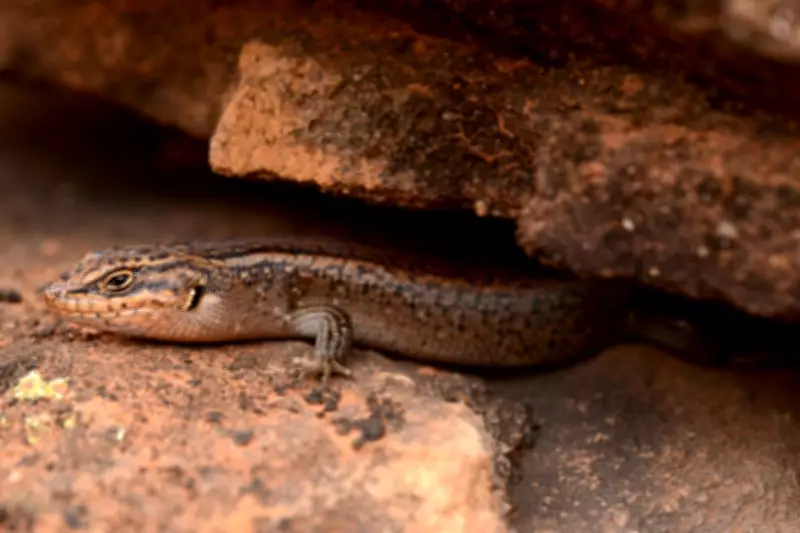
Kungaka Lizard: Newly Discovered Species Faces Immediate Extinction Threat
In a significant scientific breakthrough, researchers have officially described the kungaka lizard as a new species, named Liopholis mutawintji. This remarkable reptile is found exclusively within the boundaries of Mutawintji National Park in New South Wales, Australia. For generations, the Wiimpatja Aboriginal Owners have known of this creature, but it was only through recent genetic and morphological analysis that its unique status was confirmed.
Ancient Lineage and Habitat
Previously mistaken for a more widespread skink, the kungaka represents an ancient lineage that has persisted in humid rocky refuges as the Australian continent dried over millennia. This isolation has made it a distinct species, with fewer than 20 individuals counted since 2024, marking it as one of Australia's rarest reptiles. The species faces an extremely high risk of extinction, with conservationists raising urgent alarms.
Major Threats to Survival
The kungaka is under severe pressure from multiple threats. Key among these are:

- Feral goats: These animals damage the lizard's habitat, exposing it to predators and extreme temperatures.
- Introduced predators: Cats and foxes pose a direct threat to the kungaka's survival.
- Climate change: Intensifying environmental changes further endanger this already vulnerable species.
These factors combine to create a precarious situation for the kungaka, with its limited population making it highly susceptible to rapid decline.
Conservation Efforts and Cultural Significance
Conservation efforts are being led by the Wiimpatja Aboriginal Owners in collaboration with scientists. Key strategies include:
- Controlling pests such as goats, cats, and foxes.
- Monitoring population trends to track the species' status.
- Exploring potential captive breeding programs to bolster numbers.
These initiatives focus on culturally grounded approaches, ensuring that traditional knowledge is integrated into conservation practices. Involving younger generations is also a priority to foster long-term stewardship of this unique species. The collaboration highlights the importance of combining scientific research with indigenous expertise to address biodiversity crises effectively.
As the kungaka lizard teeters on the brink of extinction, these efforts represent a critical lifeline. Without immediate and sustained action, this newly described species could vanish, underscoring the urgent need for global attention to habitat preservation and species protection in the face of escalating environmental challenges.