High-Altitude Quest: Spotting Ecuador's Elusive Rufous-Bellied Seedsnipe
In the remote reaches of the eastern Andes, a dedicated birdwatcher embarked on a challenging expedition to observe one of Ecuador's most elusive avian species: the rufous-bellied seedsnipe. This journey took them to Cayambe Coca National Park, where the altitude soars to an astonishing 4,400 metres (14,400 feet), marking the highest elevation they had ever experienced.
The Ascent to a Montane Wilderness
With clear skies and bright sunshine overhead, the conditions seemed promising for the search. Guided by the optimistic Juan Carlos, the team parked near a set of radar antennas, an oddly incongruous feature in this rugged montane landscape dominated by the snow-capped Cotopaxi volcano. Despite the guide's confidence, the birdwatcher harboured private doubts, recalling a history of missing seemingly guaranteed sightings.
Juan Carlos led the way, climbing steadily higher while the observer waited anxiously below. After a tense period, he signalled success—he had spotted the birds. The birdwatcher then began their own laborious ascent, pausing frequently to catch their breath in the thin, high-altitude air.

A Close Encounter with Unique Plumage
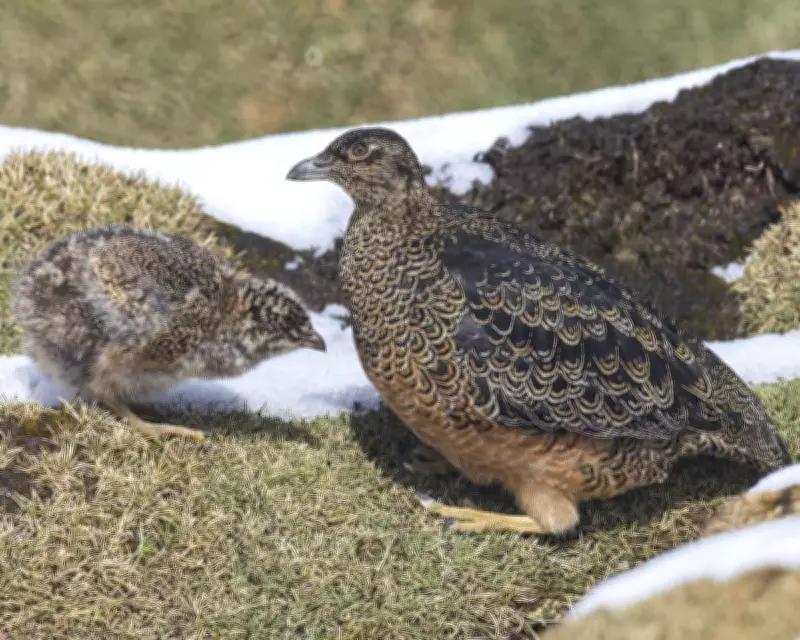
Upon reaching the guide, the reward was immediate. Just a few metres away, two plump, grouse-like birds were feeding undisturbed. Their intricate, cryptic plumage, resembling fine lace or chainmail, presented a sight unlike any other bird the observer had encountered. This moment brought a profound sense of triumph and relief after the strenuous climb.
The rufous-bellied seedsnipe belongs to a unique family of waders that defy typical categorisations: they do not wade, resemble snipes superficially, and do not primarily feed on seeds. Of the four species in this family, all native to South America, they thrive in harsh environments where few other birds can survive, showcasing remarkable adaptations.
Capturing the Moment and Reflecting on Solitude
The team spent an hour photographing these delightful birds, appreciating their quiet and solitary existence in the high Andes. Afterward, they descended to more hospitable surroundings, leaving the seedsnipes to their remote habitat. This experience highlights the dedication required in birdwatching and the awe-inspiring beauty of Ecuador's diverse wildlife.