Grey Seals Killing Common Dolphins: Marine Experts Baffled by Unprecedented Attacks
Marine environmental specialists are investigating a series of shocking and unprecedented attacks by grey seals on common dolphins along the British coastline. Experts describe these incidents as "bloodthirsty" and remain completely baffled about what is driving this unusual predatory behaviour.
Unprecedented Predatory Behaviour
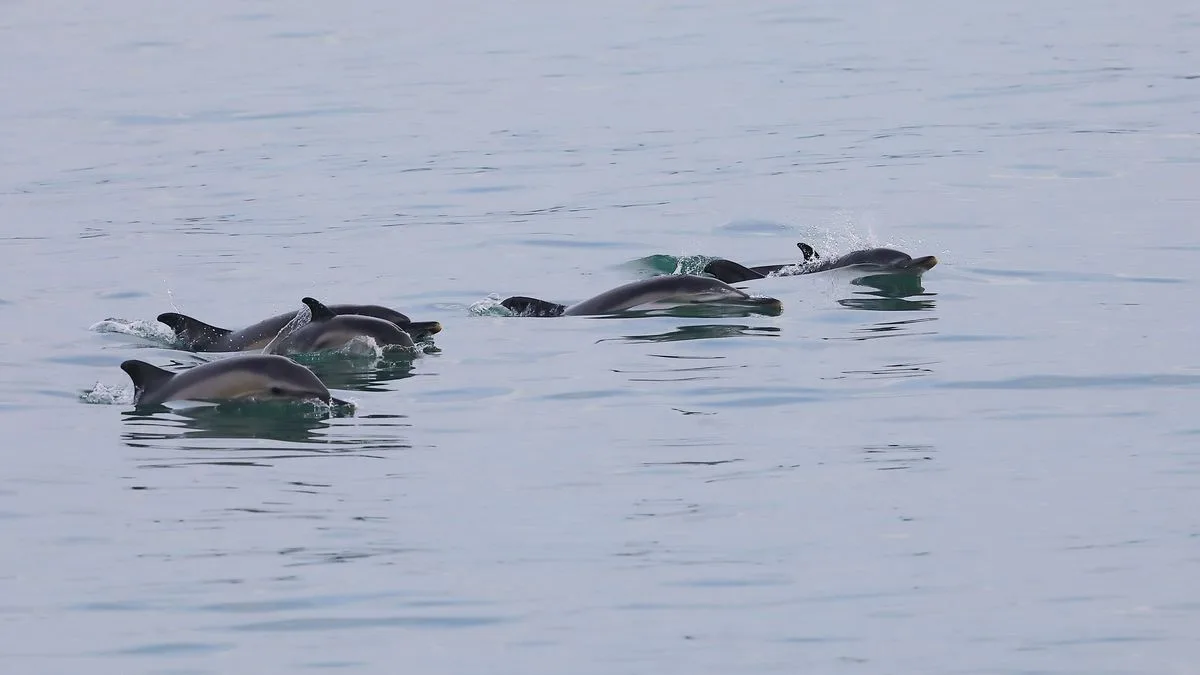
While grey seals have occasionally been observed hunting smaller harbour porpoises around Welsh coastal waters, their attacks on the much larger and heavier common dolphins represent a dramatic escalation in predatory behaviour. Common dolphins typically measure over six feet in length and are significantly faster swimmers than harbour porpoises, making them far more challenging prey for seals to capture and kill.
The latest confirmed victim was discovered at Newgale beach in Pembrokeshire, Wales - an adult female common dolphin measuring 1.84 metres in length with horrific injuries consistent with grey seal attacks. Marine Environmental Monitoring experts confirmed this represents the first documented case of a grey seal killing a short-beaked common dolphin in Welsh waters.
Geographic Pattern of Attacks
A growing number of incidents are being reported across multiple regions:
- West Wales coastline - including the recent Newgale beach discovery
- North Devon coastline - with two separate confirmed reports in recent months
- Irish Sea region - including an attack observed off Howth Head, County Dublin last year
Specialists from the Cetacean Strandings Investigation Programme have been examining these cases and note that the attacks may be limited to a specific population or family group of grey seals operating between north Devon and the Welsh coastline.
Investigation Findings
Upon detailed examination of the deceased dolphin from Newgale beach, investigators discovered telltale evidence:
- Massive injuries consistent with previous harbour porpoise attacks by grey seals
- Distinctive bite marks on the pectoral fins
- Characteristic tearing patterns around the edges of the blubber matching grey seal dentition
A spokesperson for the investigating team stated: "We have never had a report of them killing common dolphins which are a lot bigger and faster than the harbour porpoise. This week has seen the first reported case of a grey seal killing of a short beaked common dolphin in Wales."
Potential Explanations and Population Dynamics
Marine biologists are exploring several theories while acknowledging that the fundamental reason remains unknown. One significant environmental factor under consideration is the dramatic population shift observed over the past decade.
Common dolphins have experienced a huge population increase and have now become the most prevalent cetacean species around the Welsh coastline, effectively displacing harbour porpoises from their previous dominant position. This ecological shift may be influencing predator-prey dynamics in ways that scientists are only beginning to understand.
The investigation continues as marine experts work to determine whether this represents learned behaviour within a specific seal population, a response to changing environmental conditions, or some combination of factors that has led grey seals to begin viewing common dolphins as viable prey for the first time in recorded history.




