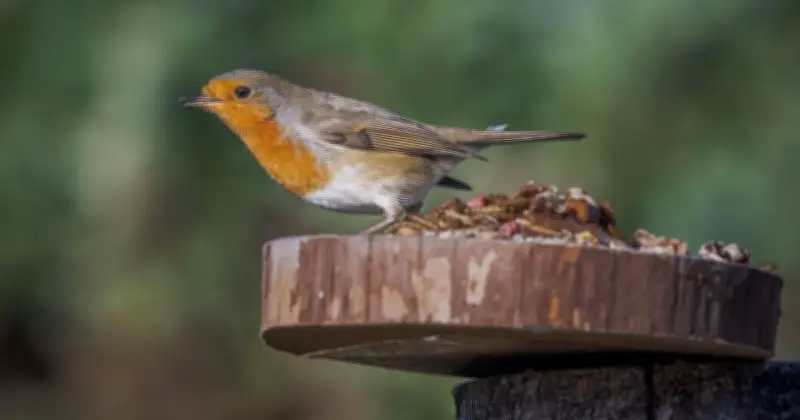
Robins, the beloved red-breasted birds often considered the UK's national bird, require a simple but crucial step from gardeners to ensure their safety and encourage frequent visits. According to experts, repositioning bird feeders to a secure location can protect these birds from predators, primarily cats.
Why Robins Matter
In 2015, the robin won a nationwide poll with 34% of 224,000 votes, unofficially becoming the UK's National Bird. Beyond their charm, robins help control garden pests by eating insects and grubs. Many also view them as a connection to lost loved ones, reinforcing their special place in British hearts.
Key Step: Safe Feeder Placement
The Woodland Trust advises placing bird feeders about two metres away from dense vegetation to reduce the risk of surprise attacks by cats. This distance allows birds to retreat to cover if needed. Nest boxes should be situated in quiet areas, out of cats' reach, ideally facing between north and east to avoid strong sunlight and wet winds.

Regular cleaning of feeders and nest boxes is essential to prevent harmful bacteria. Old nests should be removed each autumn, but only after ensuring birds have stopped using the box.
Additional Tips for Summer
Bird specialists at Peckish recommend providing shallow trays of water, especially during dry spells, to help robins survive summer. Ponds are even better as they require less frequent topping up and attract insects for food.
By following these straightforward steps, gardeners can increase the chances of attracting not only robins but a variety of birds all year round.