
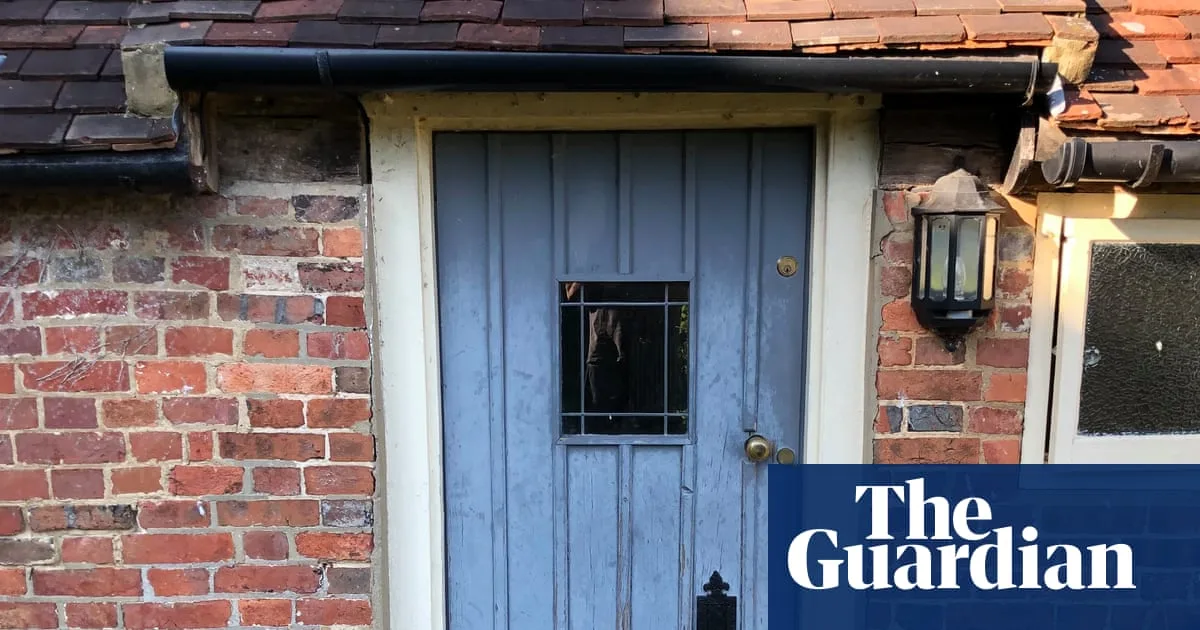
Moving day has arrived at a cottage in Cranbrook, Kent, where the author reflects on leaving a home that was as much a habitat for wildlife as for humans. The scruffy, tumble-down building, with its dark oak beams and ochre clay brick walls, has been a stage for seasonal natural dramas.
In spring, the rhythmic tapping of courting deathwatch beetles against the wooden beams signalled the season's start. Hibernating ladybirds unfurled from window knots, and sparrows stuffed every slipped-tile cranny with wool-lined nests, soon filled with chick calls.
Summer brought bumblebees under the eaves, wasps in the crooked roof, and masonry bees tunnelling into soft mortar. Black ants patrolled for crumbs, and on warm evenings, swarms attracted shrieking swifts. Cabbage white butterflies pupated in the lobby, but many fell to parasitic wasp larvae that emerged from them in a gruesome display.
Autumn introduced rodents scratching in the walls, leading to the curious sport of distinguishing brown rats from yellow-throated mice. The author recalls a childhood wish for a bedroom wild with animals and insects, with leaf-litter carpets and shrub curtains, and acknowledges that Stream Cottage fulfilled that dream.
As the author turns to leave, the sense of belonging among the seasonal wild visitors is what strikes hardest. The cottage may still be visited, but the place within the community of creatures cannot be reclaimed.




