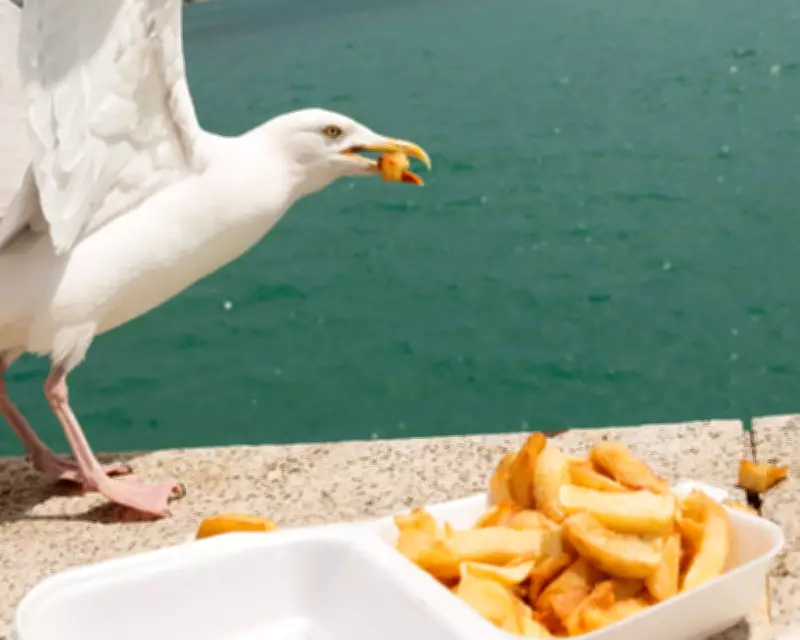
Painting Eyes on Takeaway Boxes Proven to Deter Gull Chip Theft
New research from the University of Exeter has revealed a simple yet effective method to combat gull chip theft: painting eyes on takeaway boxes. The study, published in the journal Ecology and Evolution, demonstrates that this approach can reduce thefts by as much as 50%, offering a potential solution for seaside towns plagued by these opportunistic birds.
How the Study Was Conducted
Led by Laura Kelley and her colleagues, the research involved presenting herring gulls with tempting takeaways in various seaside locations across Devon and Cornwall. The gulls were given a choice between a plain takeaway box and one with a pair of eyes painted on it. The results were striking: gulls were significantly slower to approach the box with eyes and less likely to peck at it compared to the plain box.
This deterrent effect was found to be sustained over time, with gulls remaining wary of the eye-painted boxes even after repeated exposure. This suggests that the method could be a long-term strategy for reducing gull-related nuisances in coastal areas.

Broader Applications of Watchful Eyes
The concept of using eyes as a deterrent is not new and has been successfully applied in other contexts. For instance, watchful eyes have been used to keep starlings away from crops, deter raptors from airports, and even reduce predator attacks on livestock by painting eyes on animals' rumps. In human settings, images of eyes have been shown to deter bike theft and increase charitable donations, highlighting a universal susceptibility to the feeling of being watched.
However, the study notes that not all gulls are equally deterred. Bolder individuals may require additional measures, such as shouting, which has also been shown to be an effective deterrent in some cases.
Implications for Wildlife Management
This research provides valuable insights into non-invasive wildlife management techniques. By leveraging natural behaviors, such as the aversion to being watched, communities can reduce conflicts with gulls without resorting to harmful methods. The findings could inspire further innovations in deterring other wildlife species in urban and rural environments.
As gull populations continue to thrive in coastal towns, this study offers a practical and sustainable approach to mitigating chip thefts, enhancing the experience for beachgoers and supporting local ecosystems.