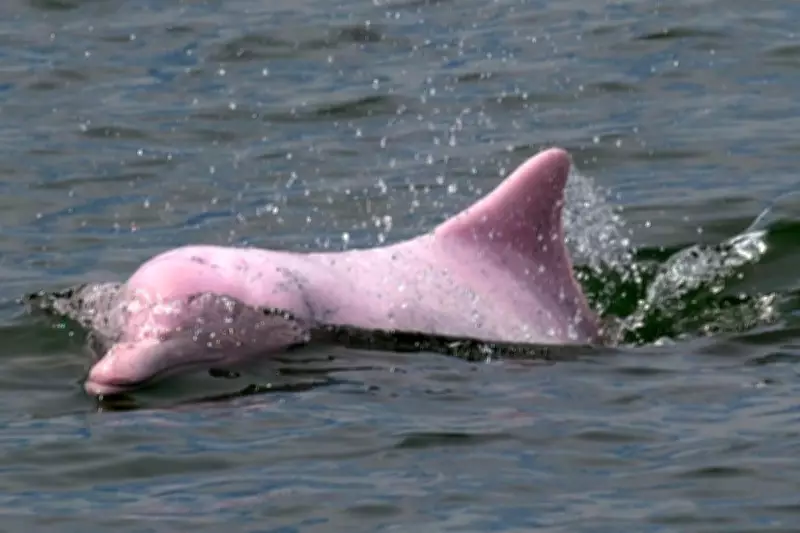
Toxic E-Waste Chemicals Found Accumulating in Dolphin Brains in Indo-Pacific
A groundbreaking new study has uncovered alarming evidence that liquid crystal monomers (LCMs) from common household electronics are accumulating in the brains of dolphins and porpoises in the Indo-Pacific region. These chemical components, which are integral to the screens of laptops, televisions, and smartphones, have been identified as persistent pollutants that can cross the blood-brain barrier in marine mammals, raising significant concerns about their neurological and organ health.
Research Methodology and Findings
Researchers conducted a comprehensive analysis of tissue samples collected from Indo-Pacific humpback dolphins and finless porpoises in the South China Sea between 2007 and 2021. The study, published recently, indicates that these chemicals enter marine mammals primarily through their diet, with the main source traced back to discarded television and computer screens. This accumulation of LCMs in brain tissues suggests a direct pathway from e-waste pollution to marine ecosystems, highlighting a critical environmental issue.
The findings serve as a stark wake-up call, as they imply that LCMs may pose serious risks to the nervous system and other vital organs of these marine species. The persistence of these chemicals in the environment, coupled with their ability to bioaccumulate, underscores the urgent need for enhanced regulation and improved e-waste disposal practices globally.

Implications and Calls for Action
This discovery has prompted calls from scientists and environmentalists for immediate action to address the growing problem of electronic waste. With the rapid turnover of consumer electronics, improper disposal methods are leading to increased contamination of marine habitats. The study's authors emphasize that without stricter controls and better waste management, the health of marine mammals and broader oceanic ecosystems could be severely compromised.
In summary, the accumulation of liquid crystal monomers in dolphin brains is a clear indicator of the far-reaching impacts of human technological waste. It underscores the necessity for coordinated efforts to mitigate pollution and protect vulnerable marine life from the hidden dangers of everyday electronics.