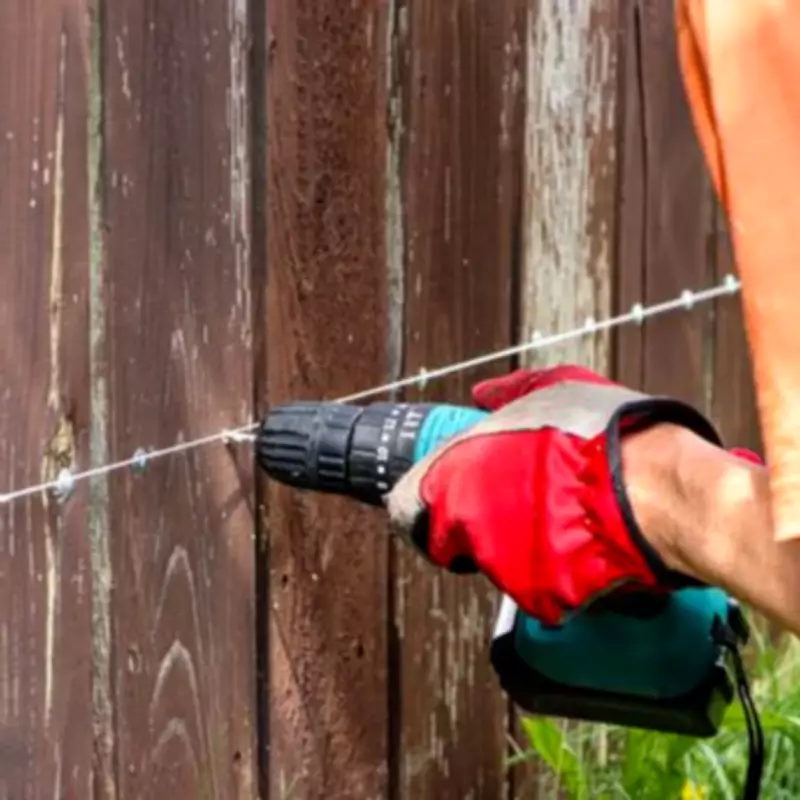
Wildlife experts are issuing an urgent call to gardeners across Britain to drill holes in their fences before spring arrives, creating vital corridors known as hedgehog highways to aid one of the nation's most cherished yet threatened native species.
The Plight of Britain's Hedgehogs
Hedgehogs are officially classified as under threat of extinction in Britain, with numbers plummeting dramatically in recent decades. This decline is attributed to habitat loss, road casualties, and dwindling food supplies, particularly in rural areas. As these prickly creatures begin to stir from their winter hibernation, they face significant challenges navigating urban and suburban landscapes.
Creating Safe Passage with Hedgehog Highways
Hedgehog highways are networks of gaps and holes cut through hedges and fences, providing secure corridors for hedgehogs to travel between gardens. These passages allow hedgehogs to roam large distances safely, which is essential for finding food, mates, and nesting sites. In urban environments, fences, walls, and other barriers often restrict their movement, making it harder for them to meet these basic needs.

Anton Baskerville, a wildlife expert at Woodlands.co.uk, emphasised the importance of these highways: "A hedgehog highway enables them to safely travel between gardens and other habitats, greatly improving their chances of survival and reproduction."
Simple Steps for Gardeners
Creating a hedgehog highway does not require extensive modifications. Thomson Environmental Consultants recommends drilling a CD-case-sized gap in garden fences, which is sufficient for hedgehogs to pass through. By coordinating with neighbours, gardeners can establish a connected network of gardens, marking gaps to raise awareness and encourage community involvement.
In addition to fence holes, gardening expert Deb shared straightforward advice for attracting hedgehogs on TikTok. She suggested providing log piles, compost heaps, or purpose-built houses in shaded spots to offer safe resting and hibernation sites. It is crucial to leave out fresh water and hedgehog biscuits, not milk, as milk is harmful to hedgehogs. Gardens with leafy trees are particularly appealing, so planting some if lacking can further enhance habitat suitability.
Broader Conservation Efforts
This initiative is part of broader efforts to combat the decline of hedgehog populations. By making small changes in gardens, individuals can contribute significantly to wildlife conservation. The call to action comes as spring approaches, a critical time when hedgehogs become more active and vulnerable.
Wildlife specialists highlight that such measures, while simple, can have a profound impact on hedgehog survival rates, helping to preserve this iconic species for future generations.