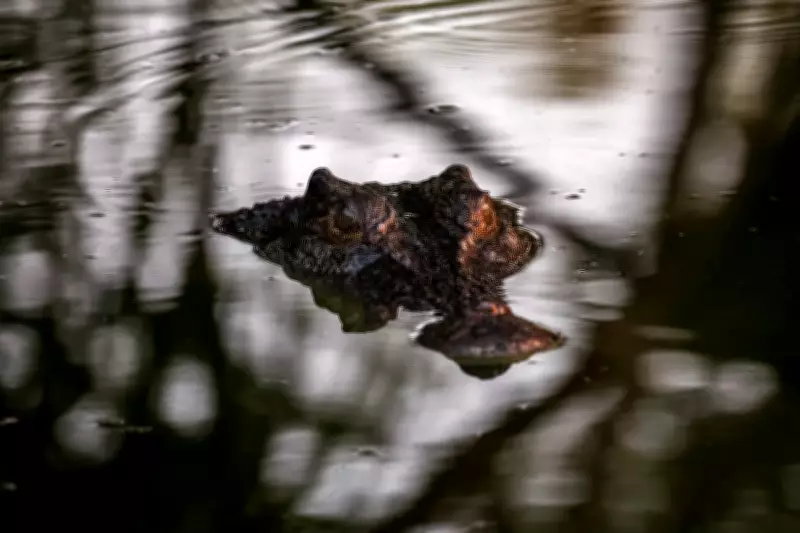
Recent crocodile sightings in floodwaters across the Northern Territory have ignited widespread concern, particularly in areas like Katherine and along the Daly River. Katherine Mayor Joanna Holden reported unprecedented numbers, including a saltwater crocodile on the AFL oval, highlighting added dangers during cleanup efforts. However, contrary to assumptions, this surge is not due to a crocodile population boom.
No Significant Growth in Crocodile Numbers
Experts emphasize that crocodile populations in the Top End have not seen significant growth for over a decade. The current situation stems from the highest floods in 30 years in Katherine, enabling crocodiles to swim into areas they typically avoid. This environmental shift, rather than a population increase, explains the heightened sightings.
Two Species, Different Risks
The Northern Territory hosts two native crocodilian species: the saltwater crocodile (Crocodylus porosus) and the freshwater crocodile (C. johnstoni), colloquially known as "salties" and "freshies." Freshies are slender, rarely exceeding three meters, with thin snouts adapted for catching fish. They pose minimal danger to humans, though bites can be painful, and are abundant in freshwater habitats like rivers and lakes.

In contrast, salties are formidable predators. Males can exceed six meters and weigh over a tonne, preying on virtually anything, including humans. Once hunted near extinction, legal protections since the 1970s have allowed their recovery. Long-term spotlighting surveys estimate around 100,000 non-hatchlings, with populations now stabilizing at pre-exploitation levels.
Floods Accelerate Range Expansion
Despite their name, salties are not marine species but thrive in tidal rivers and freshwater swamps. They are known for long-distance travel, recorded up to 900km inland in places like Borneo. In the NT, flooding accelerates this movement, as seen in 2019 when a 4m saltie was found 550km up the Victoria River after wet season floods.
Katherine and Daly River: Contrasting Scenarios
In Katherine, located 320km south of the coast, the Katherine River is primarily freshie habitat. Salties had been absent for decades before reappearing in the mid-1990s as populations recovered. Current sightings likely involve mostly freshies, but salties may also be present in smaller numbers. Residents are urged to stay "crocwise," treating all floodwaters as potential saltie habitats.
The Daly River near Nauiyu presents a different picture. Salties are common here, with monitoring since 1975 and a history of human attacks, making it high-risk during flooding. This area requires extra caution due to established crocodile presence.
Safety Guidelines for Affected Areas
To stay safe, avoid contact with floodwater where possible, with evacuation as the safest option. If unavoidable, maintain distance and avoid repetitive use of the same locations, as salties can learn human routines. Keep livestock, pets, and organic waste away from floodwaters, as they attract crocodiles. Always assume floodwater could contain salties, regardless of location in the NT.
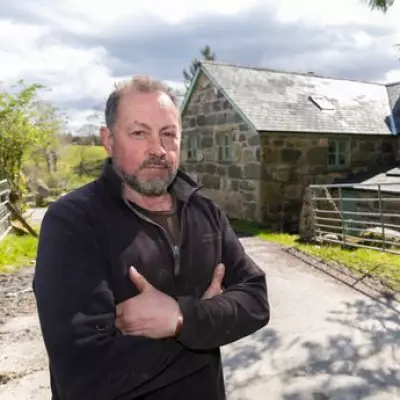
This insight comes from Brandon Michael Sideleau, a PhD student studying human-saltwater crocodile conflict at Charles Darwin University, highlighting the importance of understanding species behavior during environmental changes.