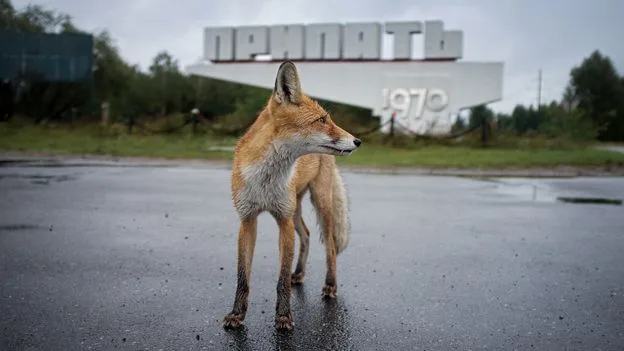
In the nearly four decades since the Chernobyl nuclear disaster, the abandoned exclusion zone in Ukraine has transformed into a living laboratory of bizarre evolutionary changes. Scientists report a series of startling mutations and adaptations in the local wildlife, from frogs that have turned black to dogs evolving at a rapid pace.
Rapid Evolution in a Radioactive Landscape
The 19-mile exclusion zone around the destroyed Chernobyl Nuclear Power Plant, established after the 1986 catastrophe, remains largely off-limits to humans due to lingering radiation. While levels have dropped since the immediate aftermath, certain hot spots near the reactor, like the infamous 'elephant's foot' mound of radioactive material, can deliver a lethal dose in just five minutes.
This unique environment has forced local species to adapt in extraordinary ways. One of the most visually striking examples is the Eastern tree frog (Hyla orientalis). Typically a bright lime green, researchers have found many of these amphibians in the zone are now a deep, pitch black.
This dramatic colour shift is a rapid evolutionary adaptation known as melanism. Scientists believe the darker pigmentation provided a survival advantage during the initial high-radiation blast, with the trait being passed down to subsequent generations. It stands as a powerful testament to the intense natural selection pressures caused by the disaster.
Genetically Distinct Packs and Cancer-Resistant Wolves
Another significant discovery involves the hundreds of feral dogs that roam the area, largely descended from pets abandoned during the frantic 1986 evacuation. A major 2024 genetic study revealed these canines are genetically distinct from dogs living just ten miles away in Chernobyl City.
This divergence is attributed to the extreme selection caused by radiation ravaging the population. While bizarre photos of 'blue dogs' circulated online, these were later debunked as the result of a leaking chemical toilet, not genetic mutation.
Perhaps even more remarkable are the grey wolves of the zone. Research indicates they have developed an extraordinary resistance to cancer, despite being exposed to daily radiation levels six times higher than the legal safety limit for humans. Blood analysis shows their immune systems have altered in a manner similar to cancer patients undergoing radiation therapy.
An Accidental Ark and Future Implications
The tragic event has inadvertently created a vast, unique nature reserve. The relative lack of human activity has allowed populations of endangered Przewalski horses, bison, lynx, badgers, and otters to thrive amidst the contamination.
The ongoing environmental effects are now influencing fields far beyond ecology. Just last month, scientists identified a mysterious black fungus from Chernobyl that appears to consume radiation. This discovery has sparked hope that it could be used to shield future space travellers from harmful cosmic rays, showing how research in the zone could shape the future of space exploration.
The legacy of Chernobyl is profound, with an estimated 90,000 people thought to have died from related cancers and illnesses. The continuing study of its wildlife offers an unparalleled, if sobering, window into the long-term effects of radiation and the relentless power of evolution.




