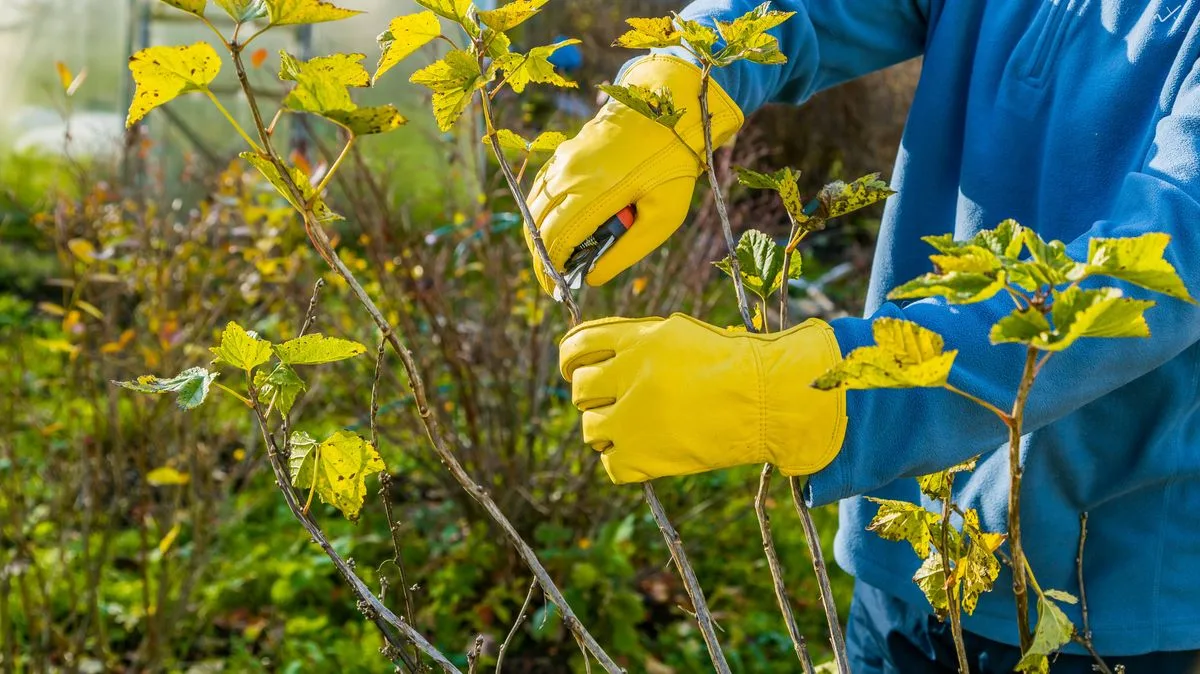
Monty Don's Essential February Pruning Advice for Summer Flowering
Renowned gardening expert Monty Don has shared his crucial seasonal guidance on pruning three specific plants during February to ensure a spectacular display of flowers come summer. His latest blog entry provides detailed instructions for gardeners across the UK, particularly those in southern regions where February pruning is most effective.
Pruning serves as a fundamental technique for maintaining plant health, primarily by removing dead, diseased, or damaged material to encourage vigorous, healthy growth. Since many woody plants enter dormancy during winter, pruning in colder months can help prevent infections in freshly trimmed specimens, as numerous diseases and pests target pruning cuts.
The Importance of Proper Pruning Tools
Monty Don emphasises that gardeners should always use razor-sharp tools when undertaking pruning tasks. He explains that sharp tools not only make the work considerably easier but also create cleaner cuts, causing minimal damage to the plant. Furthermore, properly maintained tools are significantly safer to handle during gardening activities.
Three Plants Requiring February Pruning
1. Roses: Robust Shrubs That Benefit From Careful Trimming
Despite common misconceptions about rose pruning, Monty clarifies that these are remarkably resilient shrubs that can recover from various pruning methods, from secateurs to flail cutters. However, he highlights three important considerations when pruning roses.
Shrub Roses: These varieties require minimal pruning. Monty recommends a quick trim using hedge trimmers, which proves very effective. He prunes his own shrub roses in winter and early spring by removing exceptionally long growth, damaged branches, or crossing stems, then leaving them undisturbed. There's also a strong argument for performing this task in late summer or early autumn.
Climbing Roses: These fall into two distinct categories. The first includes genuine climbers, typically producing single, impressive blooms from early summer through autumn. Monty advises pruning these in autumn or winter, aiming to maintain a framework of long stems trained laterally with side branches. These side branches will bear flowers on new spring growth. Ideally, remove one-third of the plant annually—the oldest, woodiest stems—to ensure constant rejuvenation.
The second category comprises rambling varieties that produce clusters of smaller blooms once during mid-summer. These require minimal pruning but should be trained and trimmed immediately after flowering, as blooms mostly develop on stems grown in late summer.
2. Clematis: Late-Flowering Varieties Need Severe Cutting Back
Monty reveals that late-flowering clematis types can all be cut back hard from mid-February onwards. This group includes popular varieties such as:
- Clematis jackmanii
- Clematis viticella
- Gypsy Queen
- Hagley Hybrid
- Perle d'Azur
- Ville de Lyon
These clematis flower on growth made in spring, so all the previous year's growth should be cleared away now. Monty always cuts them down to about two feet from ground level, leaving at least two healthy pairs of buds to encourage new growth.
3. Buddleias: The Butterfly Bush Benefits From February Pruning
For gardeners living in southern regions or sheltered spots, February represents the optimal time to prune the butterfly bush (Buddleia davidii). Those in chillier areas can undertake pruning anytime over the coming month. Since buddleias bloom on fresh growth, trimming them back severely now, just as growth commences, will stimulate new shoots and extra flowers.
When a buddleia plant has ample space to spread freely, Monty suggests it can be drastically pruned, retaining only two or three sets of emerging shoots from ground level. For specimens situated within borders, he advises cutting back to approximately two or three feet from soil level. This approach ensures that fresh growth won't compete with nearby perennial plants for sunlight and air circulation.
By following Monty Don's expert February pruning guidance for these three plant types, gardeners can look forward to healthier plants and more abundant summer flowering displays throughout their gardens.




