Chernobyl's Radioactive Landscape: Nature's Remarkable Rebound
Four decades after the catastrophic nuclear disaster at Ukraine's Chernobyl power plant, the radioactive exclusion zone has become an unexpected testament to nature's resilience and survival spirit. On contaminated land deemed too dangerous for human habitation, wildlife is not only surviving but thriving in a landscape larger than Luxembourg.
The Unlikely Wildlife Sanctuary
On April 26, 1986, an explosion at the nuclear facility sent radiation across Europe, forcing the evacuation of entire towns and displacing tens of thousands of people in what remains the worst nuclear disaster in history. Today, Chernobyl—transliterated as "Chornobyl" in Ukraine—continues to pose significant risks to human health, yet has paradoxically become a sanctuary for diverse animal populations.
Across this vast no-man's-land spanning Ukraine and Belarus, Przewalski's horses—stocky, sand-colored equines native to Mongolia—roam freely. These distinctive animals, known as "takhi" (meaning "spirit") in Mongolia and once on the brink of extinction, were introduced to the exclusion zone in 1998 as an experimental conservation measure. With 33 pairs of chromosomes compared to 32 in domesticated horses, they represent a unique genetic lineage.

"The fact that Ukraine now has a free-ranging population is something of a small miracle," said Denys Vyshnevskyi, the zone's lead nature scientist. "With human pressure gone, parts of the exclusion zone now resemble European landscapes from centuries past. Nature recovers relatively quickly and effectively."
Ecological Transformation and Adaptation
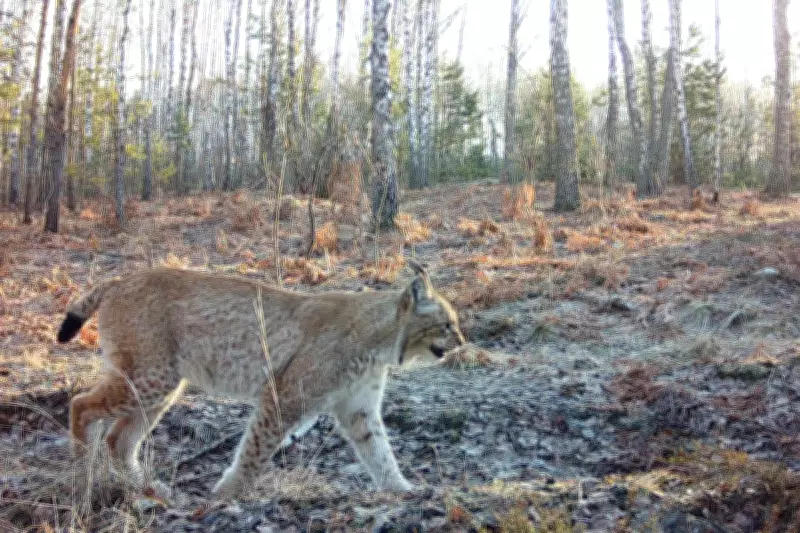
The ecological transformation is visible throughout the abandoned territory. Trees pierce through derelict buildings, roads dissolve into forest canopies, and weathered Soviet-era signs stand beside leaning wooden crosses in overgrown cemeteries. Beyond the horses, wildlife populations have rebounded dramatically with wolves prowling the landscape, brown bears returning after more than a century, and populations of lynx, moose, red deer, and even free-roaming dog packs increasing.
Hidden camera footage reveals surprising adaptations among the resident animals. The Przewalski's horses seek shelter in crumbling barns and deserted homes, using these structures to escape harsh weather conditions and insects—even bedding down inside abandoned buildings. They organize into small social groups typically consisting of one stallion with several mares and their young, alongside separate bands of younger males.
Despite persistent radiation levels, scientists have not recorded widespread die-offs among animal populations, though subtler effects are evident. Some frog populations have developed darker skin pigmentation, and birds inhabiting higher-radiation areas show increased likelihood of developing cataracts.
New Threats from Military Conflict
However, this accidental wildlife refuge now faces new dangers stemming from Russia's 2022 invasion of Ukraine. Military activity brought fighting through the exclusion zone as troops advanced toward Kyiv, with soldiers digging defensive positions into contaminated soil. Fires linked to military operations have swept through radioactive forests, potentially releasing dangerous particles back into the atmosphere.
"Most forest fires are caused by downed drones," explained Oleksandr Polischuk, who leads a firefighting unit in the zone. "Sometimes we have to travel dozens of kilometers to reach them."
Harsh wartime winters have further impacted the ecosystem, with damage to power grids leaving surrounding managed areas without resources. Scientists report increases in fallen trees and animal casualties resulting from both extreme weather conditions and hastily constructed military fortifications.
A Landscape of Contradictions
Today, the Chernobyl exclusion zone represents a landscape of profound contradictions—no longer merely an accidental wildlife refuge but also a heavily monitored military corridor marked by concrete barriers, barbed wire, and minefields. Personnel rotate in and out on limited schedules to minimize radiation exposure, while the area remains likely off-limits to permanent human settlement for generations to come.

Yet amidst these challenges, life persists and even flourishes. "For those of us in conservation and ecology, it's kind of a wonder," Vyshnevskyi reflected. "This land was once heavily used—agriculture, cities, infrastructure. But nature has effectively performed a factory reset."
The ongoing monitoring of Chernobyl's wildlife continues through painstaking efforts, with scientists like Vyshnevskyi spending hours driving alone through the zone to set motion-sensitive camera traps in camouflaged casings attached to trees. Their work documents both the remarkable resilience of nature and the complex challenges facing this unique ecosystem in a region still grappling with the consequences of both nuclear disaster and military conflict.