Caterpillars: Essential Garden Allies, Not Pests, Says Wildlife Expert
As spring arrives and caterpillars begin to emerge, many gardeners brace for the potential destruction of their cherished plants. However, these creatures are far from mere nuisances—they play a vital role in sustaining garden ecosystems. Kate Bradbury, a renowned garden writer, broadcaster, and RHS ambassador for the Planet-Friendly Gardening Campaign, urges a shift in perspective.
Over the years, we've been conditioned to view caterpillars as threats in our gardens, Bradbury notes. I recall starting out with gardening magazines that advised checking for and removing caterpillars as a weekend task. This mindset has been ingrained in us, she explains. Yet, only a few species tarnish the reputation of the many, as not all caterpillars harm plants.
The Benefits of Caterpillars in Gardens
Caterpillars serve as a fundamental food source for birds and other wildlife, positioning them at the base of the food chain. Baby birds, such as blue tits, require up to 100 caterpillars daily in their first three weeks, Bradbury highlights. Hedgehogs also favor caterpillars over slugs and snails. By welcoming caterpillars, gardens attract diverse species, enhancing overall biodiversity and vitality.

Additionally, caterpillars consist of 70-90% water, providing essential moisture for young birds, especially during dry spells. Birds don't carry water to their nests, so chicks rely on caterpillars and similar grubs for hydration, Bradbury points out. In arid conditions, caterpillars become a critical resource, increasing chick survival rates.
Addressing Non-Native Species Like the Box Tree Moth
While some caterpillars, like those of the non-native box tree moth, can damage plants such as box hedging, Bradbury offers hope. New arrivals often lack natural predators initially, but over time, ecosystems adapt, she says. Robins and parasitic wasps are beginning to control these populations, suggesting a potential decline in their numbers as balances restore.
Strategies to Minimize Crop Damage and Encourage Caterpillars
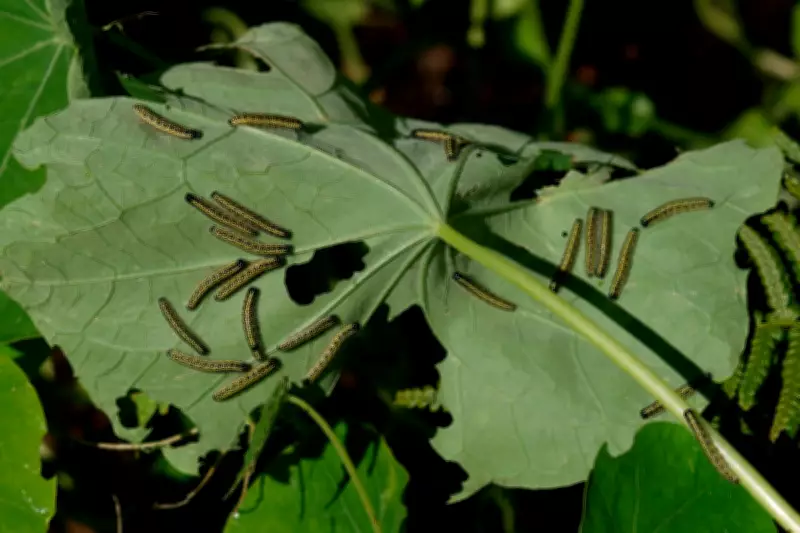
To protect prized vegetables like Brussels sprouts and cabbages, Bradbury recommends growing sacrificial crops. Plant nasturtiums near brassicas to divert cabbage white caterpillars, she advises. Using leaves as bait or manually transferring caterpillars can safeguard main crops while supporting these insects.
For fostering caterpillar-friendly environments, consider:
- Mixed native hedges: Species like hazel or hawthorn offer shelter and food for moths, caterpillars, bees, and birds, while aiding climate resilience by absorbing water and reducing storm damage.
- Long grass: Even in small spaces, long grass supports butterfly and moth caterpillars, with Bradbury noting multiple species breeding in her allotment.
- Native plants: Foxgloves and weeds like red campion provide feeding grounds, with caterpillars often consuming seeds from flower heads.
By embracing these practices, gardeners can cultivate thriving, biodiverse spaces where caterpillars contribute to a healthier ecosystem rather than being seen as adversaries.