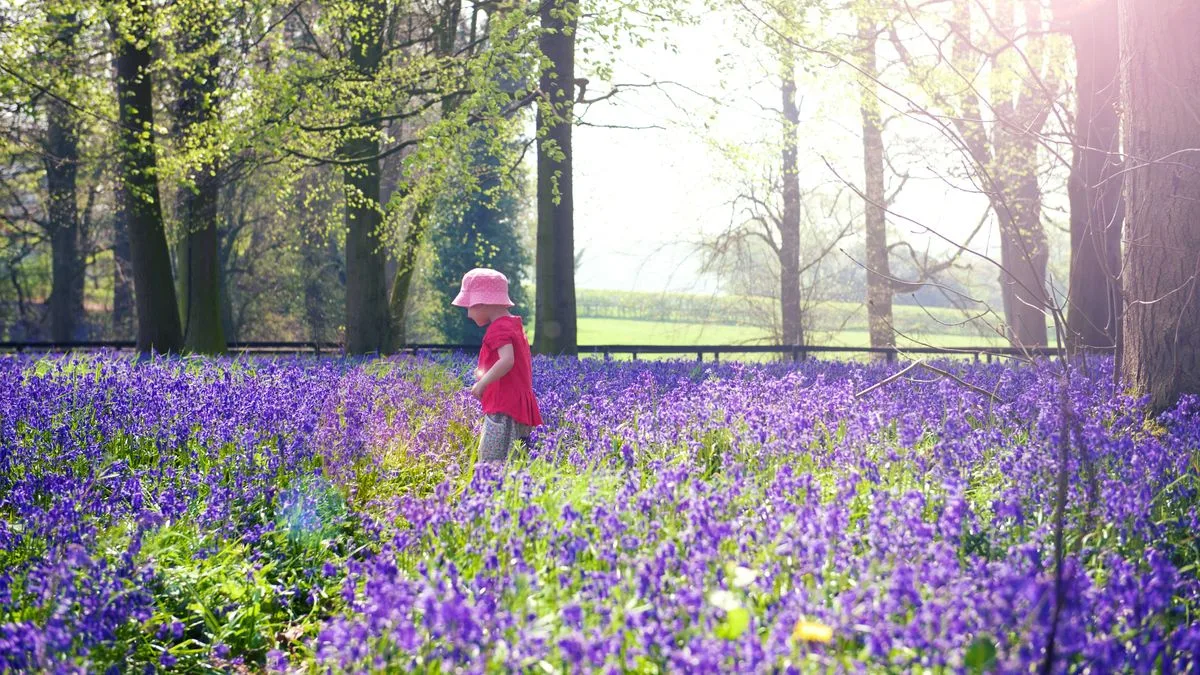
Bluebell season has officially arrived in the United Kingdom, transforming woodlands into vibrant carpets of purple blooms. These delicate flowers appear for only a few weeks each year, drawing countless visitors eager to witness their beauty. However, as springtime strolls increase, authorities are urging the public to adhere to strict guidelines to safeguard this ecologically significant species.
Legal Protections and Severe Penalties
Under the Wildlife and Countryside Act 1981, bluebells are classified as a protected species in the UK. This legislation imposes serious consequences for violations, including fines of up to £5,000 per bulb damaged or destroyed. In extreme cases, offenders may even face a six-month prison sentence, highlighting the importance of compliance.
Why Bluebells Are So Vulnerable
The National Trust emphasises that bluebells are a crucial part of Britain's natural heritage, with nearly half of the world's population found in the UK. Colonies of these wild flowers require approximately five to seven years to establish from seed to bloom, making them particularly susceptible to disturbance.
Bluebells possess soft, succulent leaves that are highly sensitive to trampling. When damaged, these leaves lose their ability to photosynthesise, ultimately leading to the plant's death. This damage prevents the bulbs from storing essential nutrients, reducing future flower and seed production and threatening the long-term survival of colonies.
Two Essential Rules for Bluebell Viewers
To avoid penalties and protect these fragile blooms, walkers must follow two critical rules during the April season.
1. Avoid Walking Through Bluebell Patches
Even careful footsteps through a field of bluebells can cause lasting harm. Trampling disrupts the soil and damages the plants, potentially resulting in uneven regrowth or complete failure to return in subsequent years. Visitors are advised to stick to designated trails and paths to minimise impact.
2. Never Pick or Uproot Bluebells
It is illegal to intentionally pick, uproot, or destroy bluebells in the UK. Beyond legal repercussions, handling these flowers poses health risks, as they contain toxic glycosides that can irritate human skin and be harmful to pets. For safety and conservation, admire the blooms from a distance rather than attempting to take them home.
By respecting these guidelines, the public can enjoy the fleeting beauty of bluebell season while ensuring the preservation of this iconic wild flower for future generations.