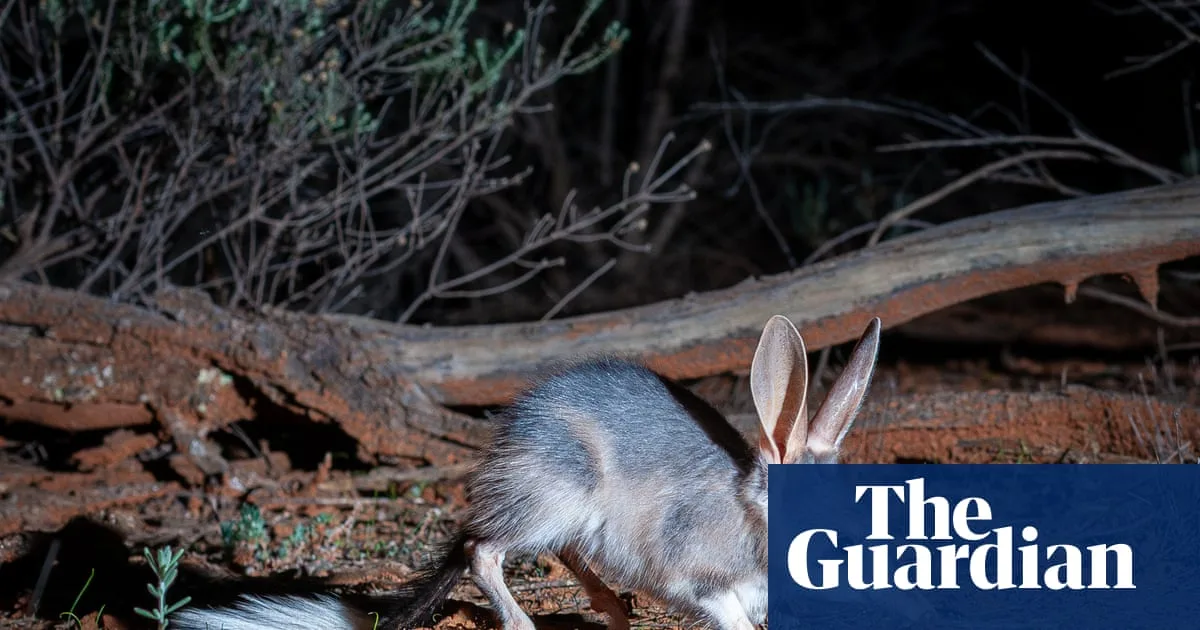
Bilby Breeding Boom: Population Soars to 1,840 in NSW Conservation Trial
Efforts to reintroduce bilbies in the far south-west of New South Wales are demonstrating significant success, with population numbers skyrocketing to almost 2,000 individuals. This remarkable growth comes seven years after the initiation of a pioneering breeding trial at Mallee Cliffs National Park, marking a major milestone in wildlife conservation.
Founder Release and Population Expansion
In 2019, fifty "founder" bilbies were released into a specially designed fenced breeding area within the park. This group included thirty individuals sourced from Thistle Island off the coast of South Australia. The primary objective was to establish the first wild bilby population in the Mallee Cliffs habitat for the first time in a century, a goal that now appears within reach.
Between 2021 and 2023, a total of 107 bilbies were transitioned from the breeding area into a vast 9,570-hectare fenced, predator-free zone within the park. The Australian Wildlife Conservancy (AWC), which collaborates with the state government on this conservation project, has conducted initial surveys. These assessments estimate the total population has now reached an impressive 1,840 bilbies, a dramatic increase from the original fifty founders.
Ecological Insights and Habitat Utilisation
Rachel Ladd, a wildlife ecologist with the AWC, emphasised the critical role of predator exclusion in this success. "Excluding bilbies from feral cat and fox impacts does really allow them to do well and breed up in numbers and persist in the environment," she stated. Ladd noted that the project team had anticipated a potential population boom, but witnessing bilbies actively running around and turning soil in the park has been a truly wonderful experience.
Motion-sensor camera data reveals that the bilbies have dispersed extensively throughout the wider fenced area, digging burrows and now occupying most of the predator-free habitat. "We are picking them up on 95% of our cameras, which alone is a strong indicator that the population has spread across the safe haven and is utilising the full extent of the protected habitat," Ladd explained.
National Conservation Context and Species Status
The greater bilby is currently listed as vulnerable under Australia's environmental legislation, with its presence now confined to only about 20% of its historical range across arid and semi-arid regions of the country. The Mallee Cliffs initiative represents one of six large predator-free areas managed by the AWC that support bilby populations, highlighting a coordinated national effort to safeguard this iconic species.
Across properties in New South Wales, South Australia, Western Australia, and the Northern Territory, the AWC's annual bilby census indicates a substantial increase. Estimated numbers have risen from 3,300 in 2025 to 5,300 in 2026, a figure more than four times the 2021 estimate of 1,230. Notably, the Scotia Wildlife Sanctuary in south-west NSW hosts an estimated 1,830 bilbies, where populations have been steadily recovering following severe drought conditions in 2018-19.
Population Dynamics and Environmental Factors
Ladd described bilbies as a boom and bust species, inherently linked to the fluctuating nature of arid environments. The census results reflect improved environmental conditions conducive to breeding, though population numbers are expected to vary over time. "In good times, they are capable of breeding up and increasing their population size relatively rapidly and in dry times their population declines," she said. "Depending on how dry it gets there can be a crash but they do persist and then build up their numbers again."
Case Study: Newhaven Wildlife Sanctuary
At the Newhaven Wildlife Sanctuary on Ngalia Walpiri and Luritja country in the Northern Territory, surveys show a rapid population increase from 66 founder bilbies three-and-a-half years ago to an estimated 530. This growth has been partly driven by above-average rainfall, creating favourable breeding conditions.
Ecologist Tim Henderson highlighted the bilbies' role as ecosystem engineers, actively reshaping the landscape through their foraging and burrowing activities. "Their digging turns over large amounts of soil, helping retain rainfall and promote new vegetation growth," he remarked, underscoring the broader ecological benefits of successful bilby reintroduction programs.






