Belgian National Park Switches Off Streetlights to Combat Light Pollution
Belgian Park Turns Off Streetlights to Restore Night Darkness

Belgian National Park Switches Off Streetlights to Combat Light Pollution

A radical initiative in Belgium's Entre-Sambre-et-Meuse national park is turning off dozens of streetlights to restore natural darkness, aiming to protect wildlife in one of Europe's most light-polluted nations. The project, which began in 2021, targets 75 lamps deemed unnecessary, located more than 50 metres from buildings and near sensitive Natura 2000 sites.

Nighttime Glow from Space and Local Concerns

Belgium is famously visible from space at night, resembling a Christmas decoration due to extensive artificial lighting. However, this glow obscures the Milky Way and harms ecosystems. André Detournay, a 77-year-old resident of Mazée village, expresses safety concerns, stating, "Having lights here is logical. I walk with my dog, and it makes me feel safe from theft." Despite his support for wildlife, he demands evidence of significant biodiversity increases to back the project.

Research on Safety and Environmental Impact

Public debate often links streetlights to safety, but research presents a nuanced view. Studies in England and Wales show reduced lighting does not significantly affect crime rates or road collisions. Meanwhile, light pollution's negative effects on nature are clear: over half of insects are nocturnal, and in France, an estimated 2,000 billion insects die annually due to public lighting, disrupting feeding and reproduction cycles.

Nicolas Goethals, leading the project, emphasises, "We cannot prioritise bats over an old lady's safety," but argues for a shift in mindset. "The normal should be darkness. It's night-time!" He advocates for personal illumination like vests and torches on rural roads.

European Context and Future Plans

This effort aligns with broader European trends. Thousands of French communes switch off lights overnight to save energy and reduce pollution, while EU guidelines promote dark corridors for wildlife. In the UK and US, campaigns raise awareness about sky glow. Goethals plans to collaborate with French colleagues to expand darkness infrastructure across Europe, stating, "Here is just the start – real darkness infrastructure will come off the back of this."

Alternative Uses for Infrastructure

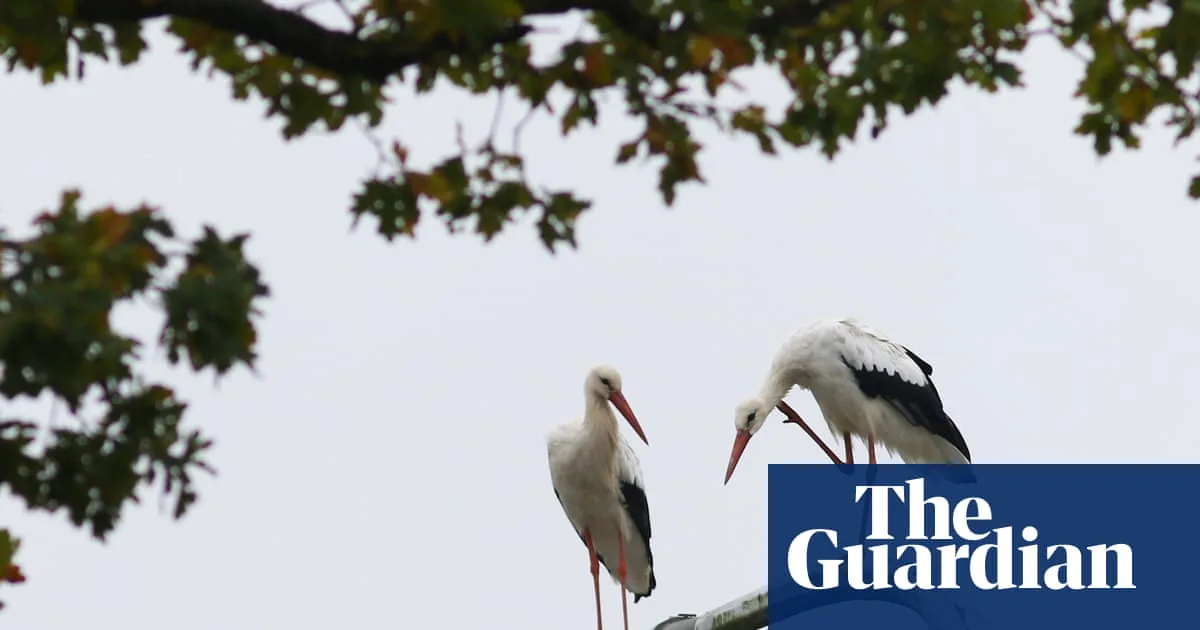
Elsewhere in the park, old electricity pylons are being repurposed to support white stork comebacks. Retrofitted with nests costing €500 each, these structures have helped sightings rise from rare in 2011 to nearly 800 in 2025. Unlike streetlight removal, this initiative enjoys unanimous public appreciation, with Goethals noting, "People love these birds."

The project, funded with €308,000, treats darkness restoration as beneficial as pond or woodland rehabilitation. As Jacques Monty, a municipal worker, dismantles lights, he cautions, "It could be good, but we need to ensure it doesn't compromise safety." This small-scale experiment reflects a growing global movement to reclaim nighttime darkness after over a century of artificial illumination.




