Consumers Urged to 'Completely Avoid' UK-Caught Cod as Population Plunges
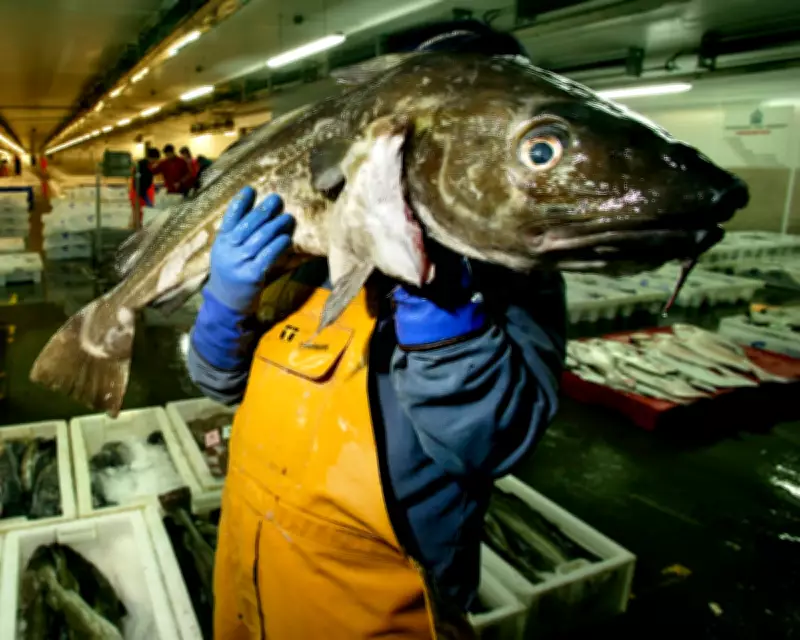
The Marine Conservation Society (MCS) has issued a stark warning, advising consumers to "completely avoid" purchasing UK-caught cod. This urgent recommendation comes as fish populations have reached a dangerous point of decline, despite zero-catch recommendations from scientific bodies.
Good Fish Guide Downgrades Cod Ratings
On Thursday, the environmental charity downgraded all UK-caught cod to the worst possible rating in its Good Fish Guide, a resource designed to help consumers and businesses make sustainable seafood choices. Kerry Lyne, the Good Fish Guide manager, described this move as a "warning signal" and called on the UK government to address these concerns to facilitate stock recovery.
In response to the crisis, the MCS suggests European hake as a flaky white fish alternative. Additionally, ratings for trawled scampi have been downgraded for similar reasons; now, only pot- or creel-caught scampi are recommended by the guide.

Causes of Decline and Scientific Advice
Cod populations have been in decline since 2015, primarily due to overfishing. Changing sea temperatures and other ecosystem pressures have also negatively impacted breeding and juvenile survival rates. Last year, the International Council for the Exploration of the Sea (ICES) recommended a zero-catch policy for 2026 in the North Sea and adjacent waters, warning that commercial fishing could push populations below safe reproduction levels.
Although this advice has not been fully adopted, in December, the minister for food security and rural affairs, Angela Eagle, announced a 44% cut in cod fishing for 2026. This decision resulted from annual negotiations with the EU and Norway regarding shared stocks. Industry reports indicated that fishers were "reluctantly resigned to the cut" due to observing fewer cod than usual.
Broader Concerns and Sustainable Alternatives
These concerns mirror issues raised over mackerel last year, when persistent overfishing led to its removal from the Good Fish Guide's recommended list. More recently, Waitrose announced it will stop selling mackerel by 29 April, emphasising the need to keep fishing within sustainable limits. Notably, the government's allowed-catch level for mackerel was set 32% above ICES advice last year.
Chris Graham, head of sustainable seafood at the MCS, expressed deep concern over the increasing pressure on iconic fisheries like cod and mackerel. He echoed calls for the government to take strong action in transitioning to low-impact fishing practices to help rebuild stocks and reduce reliance on imports, as about 80% of seafood consumed in the UK is imported.
The MCS recommends more sustainable alternatives to UK cod, such as:
- Icelandic cod, which is abundant and not subject to overfishing.
- European hake, a sustainable choice.
- Haddock, particularly if caught in the North Sea or west of Scotland.
- Other options include seabass or plaice from the North Sea, and UK-farmed seafood like blue mussels and freshwater trout.
The Good Fish Guide is updated twice a year based on the latest scientific advice, focusing on stock levels and management plans to promote sustainable seafood consumption.