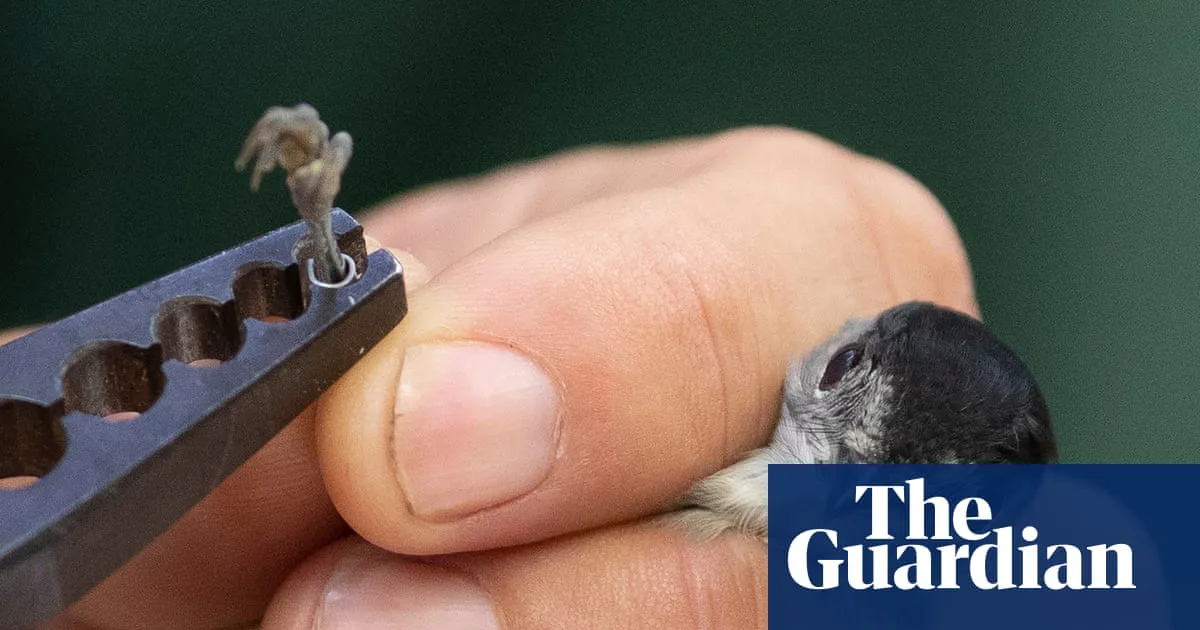
Whenever I walk along the shore I hunt the tide-wrack for “corpses”; whenever I see a dead bird anywhere I look at its legs, for nowadays any bird may carry a small, metal ring on one leg, placed there by some student of migration. The discovery of the Swedish black-headed gull in Airedale, mentioned in yesterday’s paper, has more than local interest.
Every year many thousands of birds are marked in Britain, America, Germany, Sweden, and other European countries, but naturally, the percentage of recoveries is small. The ringers are enthusiastic enough, but dead birds are seldom noticed, and rings if found by those who do not understand their meaning, or are too lazy to inquire, are thrown away and lost.
However, from the small number found and reported many important lessons have been learnt; we know where some birds go and to some extent how they travel. The special interest in this find is not that the black-headed gull travels so far – indeed we know that it travels much greater distances – but that it shows that some Swedish gulls winter with us in Britain.
Anyone who finds or hears of a ring on the leg of a bird can help the cause of science if they will send the ring, with information of place and date of discovery, to the address on the ring, or to British Birds, 326, High Holborn, or even to the office of the Manchester Guardian or other paper of standing. If the leg, or the whole bird if not too ancient, is sent it will aid identification, but the ring with particulars is enough in most cases.