
David Hinton, the chief executive of South East Water, has announced his intention to step down, following a week after the resignation of chair Chris Train. The company stated that Hinton will remain in post to ensure an “orderly transition” over the summer while a successor is found.
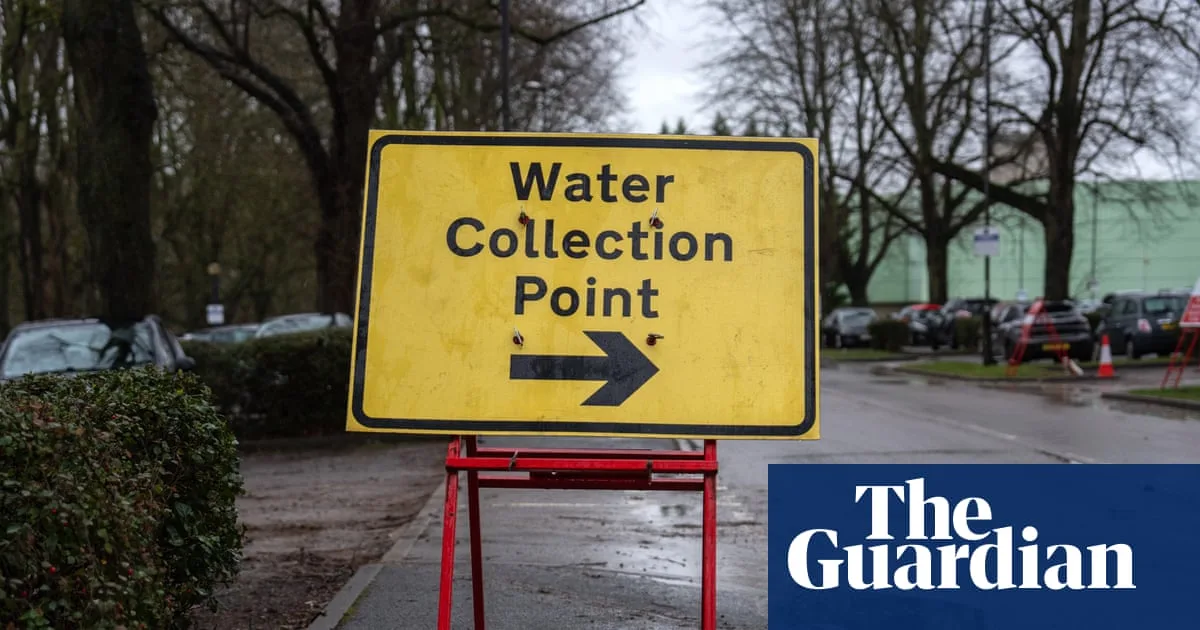
The decision comes after severe criticism from MPs and customers over multiple supply outages in Kent and Sussex between November and January, which left thousands without tap water, showers, or working toilets. Hinton had faced mounting calls to resign, including from the Environment, Food and Rural Affairs (Efra) committee, which had expressed “no confidence” in the company’s leadership.
Environment secretary Emma Reynolds said Hinton’s departure “must mark the beginning of positive change at South East Water, where customers’ needs are prioritised and there is a stop to supply outages.” Alistair Carmichael, chair of the Efra committee, called the resignation “the right decision for the long-term good of South East Water’s customers and the company,” but stressed that “competent leadership is urgently needed.”
South East Water confirmed there had been “no disagreement with the board relating to his resignation.” Lisa Clement, interim chair, thanked Hinton for his “many years of loyal dedication and service.” The company’s board had previously said that “new independent board leadership is now required to oversee a critical period of positive, transformative change.”
The Efra committee’s report described the company as “devoid of proper leadership” and “riddled with cultural problems,” citing poor maintenance, failure to monitor risks, and a slow, disorganised response to the crisis. Mike Martin, Liberal Democrat MP for Tunbridge Wells, said Hinton “finally did the right thing” and that “fresh leadership and fresh ideas” are needed to address the “entrenched internal culture of group think.”




