Washington Sewage Crisis Deepens as Blockage Extends Repair Timeline
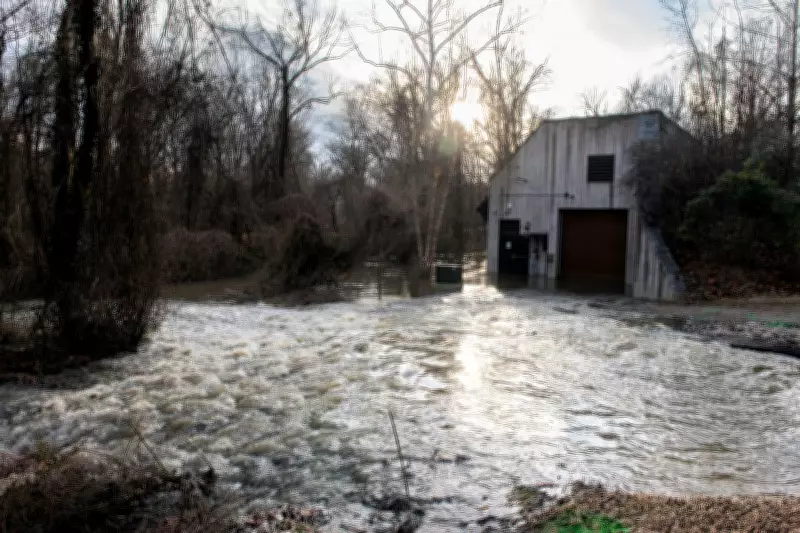
Repairs on a critical sewage pipeline rupture that has been discharging wastewater into the Potomac River northwest of Washington D.C. will now take weeks longer than initially projected due to an unexpected and substantial blockage. The local water authority, DC Water, announced this significant delay following a detailed video inspection of the damaged infrastructure.
Substantial Blockage Discovered in Collapsed Sewer Line
In an official statement released on Thursday, DC Water disclosed that the blockage inside the collapsed sewer line is far more extensive than originally assessed. The inspection revealed a large rock dam located approximately 30 feet (9 meters) from the breach point in the sewage line. This obstruction must be treated and removed before addressing the current spill, necessitating the deployment of larger equipment and a more complex repair strategy.
The water authority estimates that resolving this issue will require an additional 4 to 6 weeks beyond the initial repair timeline. This extended period is needed to establish a proper system for removing the large rocks and boulders embedded within the sewer line, significantly delaying the containment of the environmental hazard.

Details of the Pipeline Failure and Environmental Impact
The incident involves the Potomac Interceptor, a 72-inch (183-centimeter) diameter pipeline that catastrophically collapsed on January 19. This failure resulted in sewage erupting from the ground and flowing directly into the Potomac River, specifically in Montgomery County, Maryland, just north of Washington D.C. Initially, DC Water reported that the rupture was causing an estimated 40 million gallons (approximately 150 million liters) of wastewater to escape daily into the river. This volume is equivalent to filling about 66 Olympic-sized swimming pools each day, highlighting the scale of the contamination.
DC Water acknowledged that the pipeline, originally installed in the 1960s, was known to be deteriorating. Rehabilitation work on a section located about a quarter-mile (400 meters) from the break had commenced in September and was recently completed, but this did not prevent the catastrophic failure.
Water Quality Assessments and Public Health Advisories
The agency has been conducting ongoing water quality monitoring to assess bacterial contamination levels. While E. coli concentrations are reported to be well beyond safe limits at the immediate site of the leak, DC Water stated that levels at other sampling sites downstream into Washington remain within safe parameters. However, the Washington Department of Energy and Environment has issued a continued advisory, urging the public and pets to avoid any contact with the affected water until the situation is fully resolved and bacteria levels are confirmed as safe. The department emphasized that DC drinking water remains safe for consumption and use.
Environmental Concerns and Criticism
The repair delay announcement coincided with a separate report from the Potomac Riverkeeper Network and researchers at the University of Maryland. Their findings indicated elevated levels of fecal-related bacteria and disease-causing pathogens in the Potomac River, prompting calls for public health advisories regarding recreational use in Washington and Maryland.
Dean Naujoks, the Potomac Riverkeeper and a representative of an environmental nonprofit, expressed serious concerns about the additional bacterial and pathogenic risks posed by the prolonged spill. Naujoks criticized DC Water for what he described as misleading information and inconsistent accounts of the incident's developments, underscoring growing frustration over the handling of the environmental crisis.
DC Water has not yet provided immediate responses to inquiries regarding the total volume of sewage spilled since the collapse began or the original repair timeline before the blockage discovery extended the schedule. The situation continues to develop as authorities work to mitigate one of the region's most significant sewage infrastructure failures in recent years.