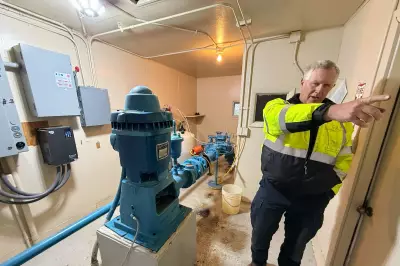
The reliable flow of clean water, a cornerstone of civilisation since Roman times, is breaking down across the United Kingdom. This week, the failure of this fundamental utility left more than 30,000 properties in Kent and East Sussex without water, becoming the latest chapter in a national disgrace marked by chronic outages and sewage-choked rivers.
A Crisis of Dry Taps and Public Anger
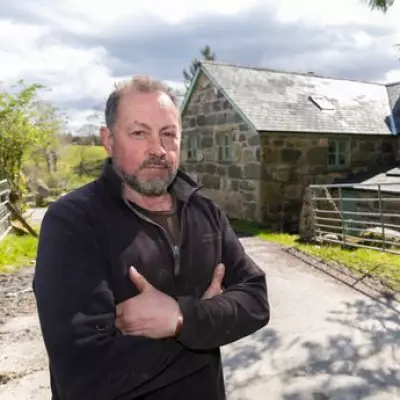
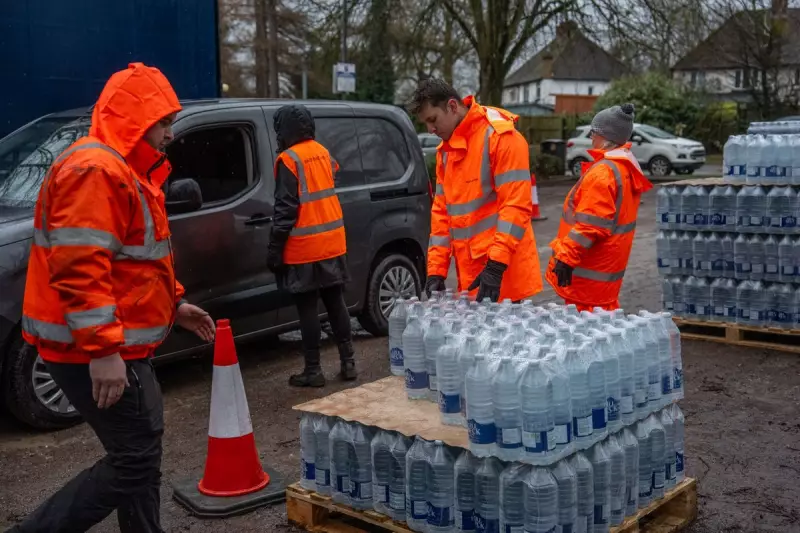
The recent outages in the South East are not isolated incidents. For residents like David Ayre from Tunbridge Wells, the reality was stark. "We couldn't wash or shower, we couldn't flush the toilet for two days," he told The Independent, describing a scene of squalor while queuing for emergency bottled water. This week's crisis by South East Water, affecting 30,000 properties, followed a major outage in November that hit 24,000 homes.
Local Liberal Democrat MP Mike Martin stated the company had "lost all credibility." He outlined the immense damage: tens of millions lost for businesses, children missing school, and the vulnerable put at risk. "This has been the most damaging crisis to hit Tunbridge Wells since Covid," he said, blaming private equity for stripping the firm of cash and loading it with debt.

Sewage, Spills, and Soaring Bills
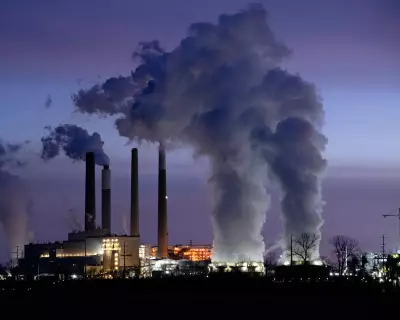
The problems extend far beyond dry taps. The UK's waterways are under sustained assault from sewage pollution. In 2025, serious sewage spills surged by a shocking 60 per cent. Thames Water, the troubled supplier facing collapse under huge debts, was responsible for 33 of the 75 serious incidents recorded—more than a third.
Despite this record, and after paying an eye-watering £10bn to shareholders since 1989, Thames Water has secured permission from regulator Ofwat to raise customer bills by 35 per cent over five years. A Survation poll this week found a majority of its customers now support nationalisation. Southern Water, which saw a major outage in Hastings over Christmas 2025, has already secured a 53% bill hike and sought more.
Campaigners warn the government's upcoming plan to clean up waterways must not prop up a broken system. Giles Bristow of Surfers Against Sewage said, "Any plan is doomed to fail if it puts profit before people and the environment."
Calls for Systemic Overhaul and Executive Accountability
Public frustration has boiled over, with water company bosses facing direct action. Southern Water reportedly assigned bodyguards to its CEO after activists placed him under a citizen's arrest. South East Water's chief executive, Dave Hinton, is under mounting pressure to resign, with MPs accusing him of misleading Parliament.
Ofwat has now opened an investigation into South East Water's failures. Meanwhile, political solutions are being proposed. Mike Martin advocates for a public benefit model, where water companies operate as not-for-profits with all profits reinvested into the network.
The government, however, rejects nationalisation, citing a potential £100 billion cost to taxpayers. A Defra spokesperson said the focus is on long-term reform and holding water bosses accountable, as the UK grapples with repairing the cracked foundations of its essential water infrastructure.