South East Water Chairman Concedes Company Failed Customers Following Widespread Outages
The chairman of South East Water has publicly admitted that the company failed in its fundamental responsibility to provide water to customers, following a series of significant supply disruptions across Kent and Sussex. This stark confession came during a parliamentary committee hearing where company executives faced intense scrutiny over their handling of the crises.
Prolonged Outages Leave Thousands Without Basic Water Services
Residents in Tunbridge Wells endured an extended outage during November and December, with approximately 24,000 properties in and around the Kent town left without drinkable water for nearly two weeks. The situation worsened in January when thousands more homes across Kent and Sussex experienced supply disruptions lasting several days. South East Water attributed this later incident to burst pipes and power cuts caused by Storm Goretti.
The consequences were severe: customers were left without basic tap water, unable to shower, bathe, or flush toilets. The disruption was so extensive that it forced the closure of numerous schools, highlighting the critical nature of reliable water infrastructure for community functioning.

Parliamentary Committee Grills Water Company Leadership
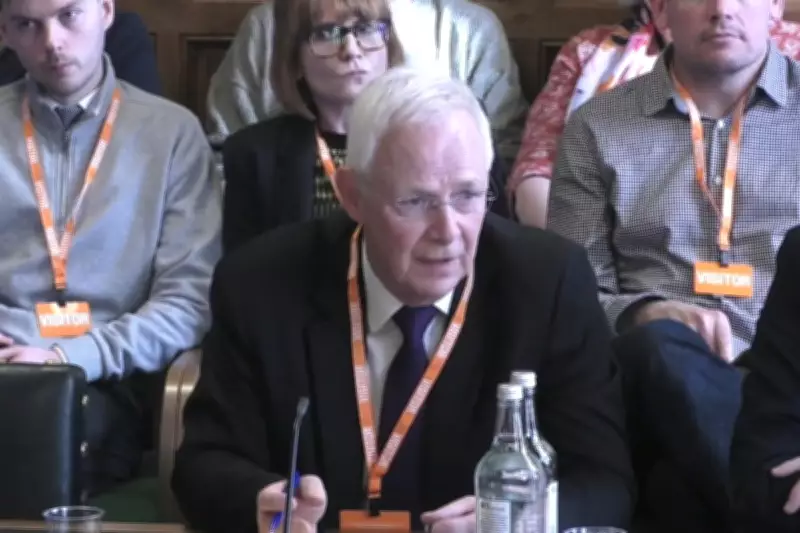
During Tuesday's hearing before the Parliamentary Environment, Food and Rural Affairs Committee, Chairman Chris Train told MPs: "We failed on the basic objective of delivering water to customers and therefore that is a failure and we recognise that failure." He added, "We failed our customers. We worked very hard to rectify that situation, and since the events and independent review, we have undertaken a lot of actions to improve the resilience of the operations."
Committee chairman Alistair Carmichael pressed Mr. Train to score his team's performance out of ten, arguing that customers deserve that degree of accountability from a non-executive director. The chairman refused to provide a numerical score, describing the situation as "complex" but acknowledging: "That degree of accountability is that we accept that we failed in our primary duty and we could have done better with all of the factors."
Executive Bonuses and Leadership Questions
Mr. Train revealed to the committee that Chief Executive David Hinton, who receives a £400,000 annual salary, has surrendered any bonus the board might have awarded him this year. However, MPs repeatedly questioned why there had been no changes in the leadership team despite major failings and criticism from multiple sources including the Prime Minister, shareholders, customers, and various public and private bodies.
When asked how bad performance would need to get to trigger leadership changes, Mr. Train responded: "We have looked as you would expect us to do at what the appropriate leadership of the organisation is going forward. The board has given its commitment and its backing to Dave and the executive team going forward as the right solution for delivering what is best for South East Water customers."
He added that the firm is "bolstering" the executive team with external hires to cover a "broader spectrum of leadership across the organisation."
Regulatory Scrutiny and Ongoing Concerns
The parliamentary hearing follows Ofwat's announcement in March that it plans to fine South East Water £22 million over water supply failures between 2020 and 2023 that impacted more than 286,000 people. The regulator found that the company "lacked ownership" for fixing the root causes of supply failures and failed to maintain important infrastructure.
Ofwat's investigation revealed that the company's response to these issues was "slow and disorganised," with shortages of bottled water and insufficient tankers or support for vulnerable customers. Despite Mr. Hinton being grilled by MPs about the company's handling of the November and December supply failure, committee members remained "deeply sceptical" about South East Water's version of events presented to Parliament.

Labour MP Jenny Ridell-Carpenter summarised the committee's frustration, stating: "We might be asking the right questions but you're coming up with the wrong answers." The ongoing scrutiny highlights significant concerns about the company's accountability and operational resilience following repeated failures in delivering this essential public service.