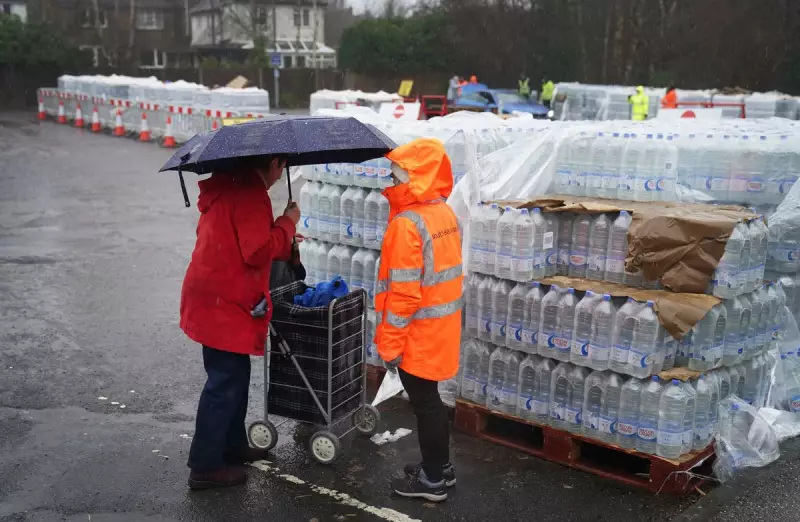
The chief executive of South East Water is under intense pressure to resign as tens of thousands of households across Kent and Sussex face a fifth consecutive day without running water.
MPs Brand Response a 'Total Shambles'
Politicians from across the spectrum have launched scathing attacks on the utility company's handling of the prolonged disruption. The Tunbridge Wells MP has been among the most vocal, publicly demanding the resignation of South East Water CEO David Hinton. The criticism centres on what MPs have labelled a "totally shambolic" response to the emergency, which has left an estimated 30,000 properties dry.
This is not an isolated failure. The company faced severe criticism just weeks ago, before Christmas, when over 20,000 properties were similarly affected by supply issues. The repetition of such a major outage has ignited serious questions about the resilience of the company's infrastructure and the competence of its management.

Storm Goretti Blamed for Bursts and Cuts
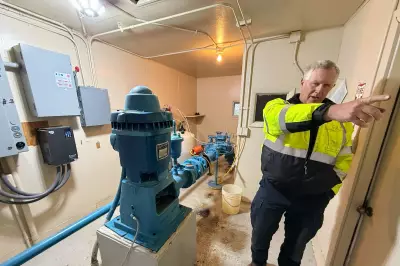
South East Water has pointed to Storm Goretti as the primary cause of the current crisis. The company states that a combination of burst pipes and subsequent power cuts at critical treatment sites, triggered by the severe weather, are to blame. In statements, they have emphasised that teams are working around the clock to restore supplies to all affected customers.
However, this explanation has done little to placate furious residents and their political representatives. The scale and duration of the outage have led to widespread anger, with many questioning why the company was not better prepared for predictable winter weather events.
Political Fallout and Calls for Action
The crisis has reached the highest levels of government. Both the Prime Minister and opposition leaders have condemned the situation, applying significant political pressure on South East Water. The discourse has moved beyond mere criticism, with serious calls for the water firm to be stripped of its operating licence.
There is a growing consensus among politicians that urgent, substantial investment is required to overhaul the company's ageing infrastructure. The repeated failures have transformed a utility crisis into a major political issue, with the future of the company's leadership and its right to operate now firmly in the spotlight.
The focus remains on restoring water to every household, but the aftermath of this disruption is likely to prompt a fundamental review of South East Water's performance and accountability.