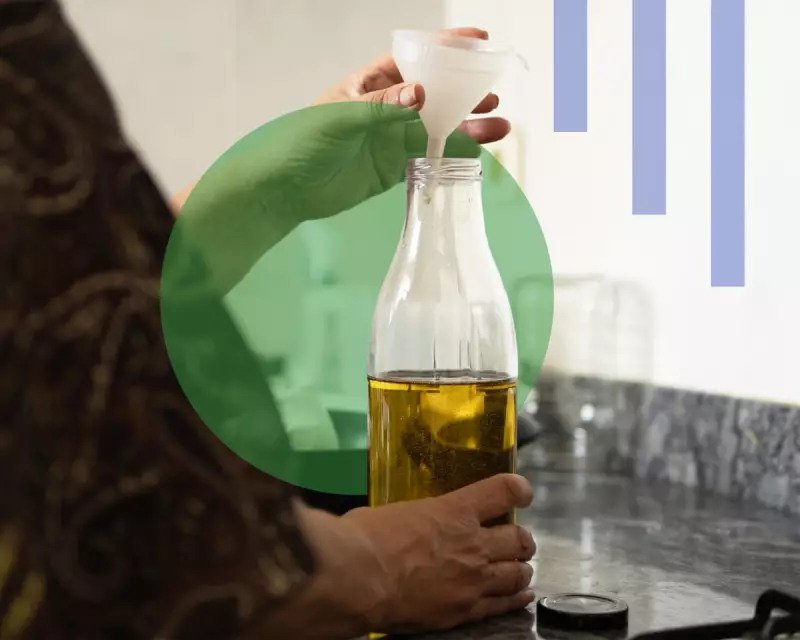
While cooking oils may appear perfectly liquid as they swirl down the kitchen sink, this common household act is a primary contributor to a subterranean menace. Within the cool, dark confines of sewer pipes, these fats congeal, solidify, and accumulate over years, binding with materials like wet wipes to form massive, obstructive fatbergs.
The Sticky Problem of Fatbergs
Fatbergs represent a costly and unpleasant challenge for sewerage systems worldwide. These conglomerations of fats, oils, and grease—collectively known as FOG—block pipes, cause sewage overflows, and even force the cancellation of public events. Professor Stuart Khan, a water quality expert at the University of Sydney, explains that blocked sewers lead to raw sewage emerging at overflow points, creating significant public health and environmental hazards.
"Digging out fatbergs requires fairly hands-on maintenance, which increases costs dramatically," says Khan. Furthermore, elevated fat loads can severely impair the biological processes at wastewater treatment plants, reducing their efficiency in cleaning water.

What Not to Flush: Beyond the 3Ps
Water authorities universally advise that only the '3Ps'—pee, poo, and (toilet) paper—should enter the wastewater system via toilets or drains. Everything else poses a risk. The washing-up water from a roast dinner tray, out-of-date milk, and even certain cleaning products contribute to FOG accumulation and system contamination.
"Sometimes we might be pouring them down the sink without even realising," Khan notes, referencing the oily residues left after cooking meats. The solution, according to environmental engineer Professor Faisal Hai from the University of Wollongong, involves a simple behavioural shift: "If we have a frying pan with some oil or sticky material, can we use some paper towel to wipe that off and put that into the bin rather than into the sink."
Proper Disposal Methods for Common Liquids
Cooking Oils and Fats
For small amounts, wiping pans with paper towels before washing is highly effective. For larger quantities of oil, stock, or fatty foods, sealing them in a container and placing them in the general waste bin is recommended. Sink strainers can capture food scraps for the organics bin, and in-sink garbage disposal units should be avoided as they increase the load on wastewater systems.
Out-of-Date Milk and Dairy
Milk, like other fatty liquids, contributes to FOG. The best approach is to avoid over-purchasing. For leftover milk, Sydney Water's Ben Armstrong suggests diluting it with an equal part of water and using it on the garden. Alternatively, keep it in its container and dispose of it in the rubbish bin.
Chemicals, Paints, and Medicines
Household chemicals represent a severe threat. Paints, solvents, pesticides, and motor oil can damage infrastructure, cause blockages, and pollute waterways, as many pass through treatment plants untreated. "Wastewater treatment plants aren't designed to break down most types of pesticides and a lot of industrial chemicals present in paints," warns Professor Khan.
Medicines should never be flushed, as they can end up in rivers and streams, affecting aquatic wildlife. Unwanted or expired pharmaceuticals can be returned via the nationwide Return Unwanted Medicines program at participating pharmacies.
Cleaning Products and Detergents
While some soap and shampoo is inevitable, disposing of large amounts down the drain is discouraged. Consumers are advised to seek eco-friendly detergents with low or nil phosphate concentrations to minimise algal growth in waterways.
The Role of Households in System Protection
"Residents play a crucial role in protecting our wastewater system by knowing what they can, and can't, put down their sinks and toilets," emphasises Sue Jackman, an executive general manager at Melbourne Water. The safest disposal route for unwanted liquids and chemicals is through household rubbish or council waste facilities, not the wastewater system.
With over 720 sewage treatment plants across Australia relying on delicate biological processes, public awareness and proper disposal habits are essential to prevent blockages, reduce maintenance costs, and protect the environment from pollution.